Realism
Realism is an artistic movement that sought to depict reality as accurately and objectively as possible, holding that the purpose of art is to reflect all aspects of existence, rather than merely its idealized representation. The term was introduced by the French literary critic Jules Champfleury in the 1850s to denote art that opposed Romanticism and Academicism. In the visual arts, the significance of Realism as a style is quite controversial, and its boundaries are undefined. In a narrower sense, realism is understood as positivism, a movement in the visual arts of the second half of the 19th century. One of the first realists was the French artist Gustave Courbet (1819–1877), who opened his solo exhibition “The Pavilion of Realism” in Paris in 1855. Before him, artists of the Barbizon School—Théodore Rousseau, Jean-François Millet, and Jules Breton—worked in a realistic style. In the 1870s, realism split into two main movements: naturalism and impressionism. In contemporary painting, realism borders on the grotesque and anti-glamour.
Artists of the Movement
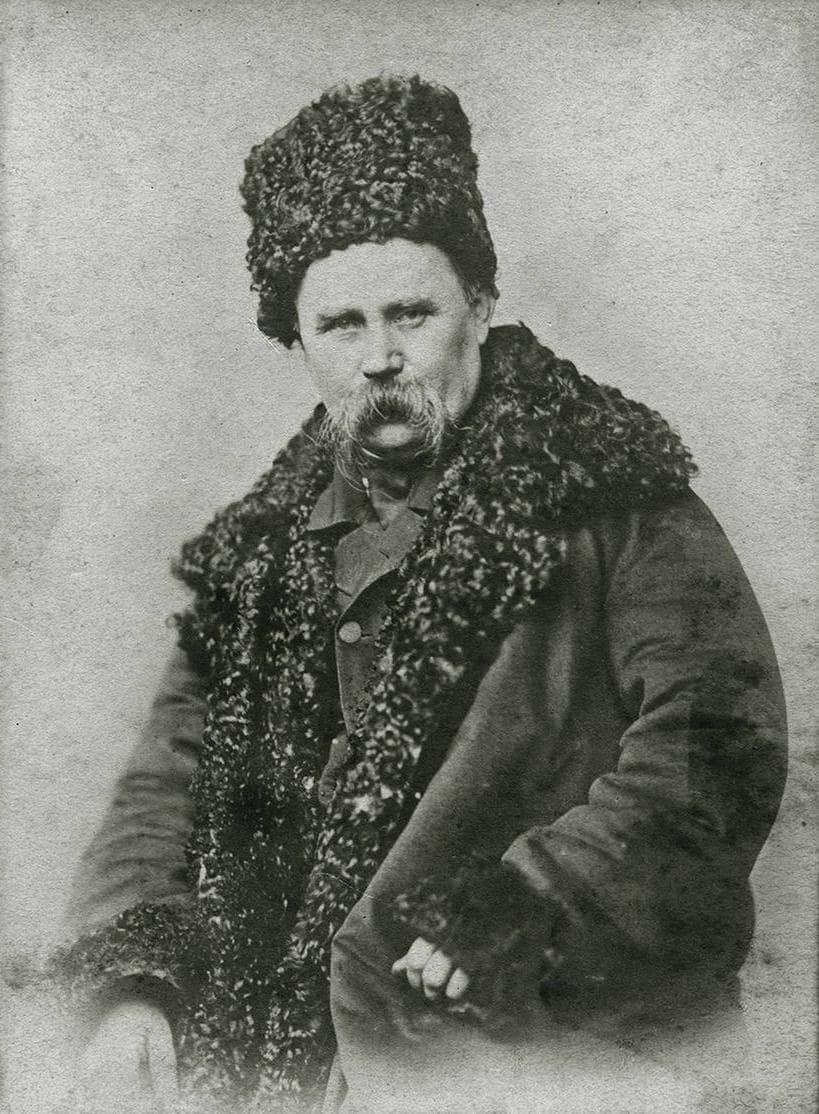
Taras Shevchenko
1814–1861
Born a serf and freed in 1838, Shevchenko is regarded as the father of Ukrainian fine art: a Romantic-Realist painter and pioneering etcher (Academician of engraving, 1860), turning his art to Ukrainian life and social injustice.
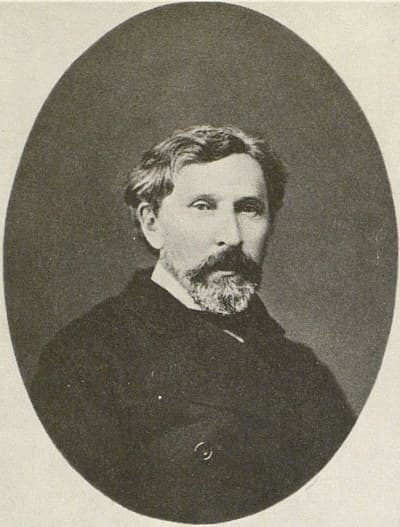
Kostiantyn Trutovskyi
1826–1893
Early master of Ukrainian genre painting devoted to the Ukrainian peasantry; influenced Pymonenko, Vasylkivskyi and Slastion.
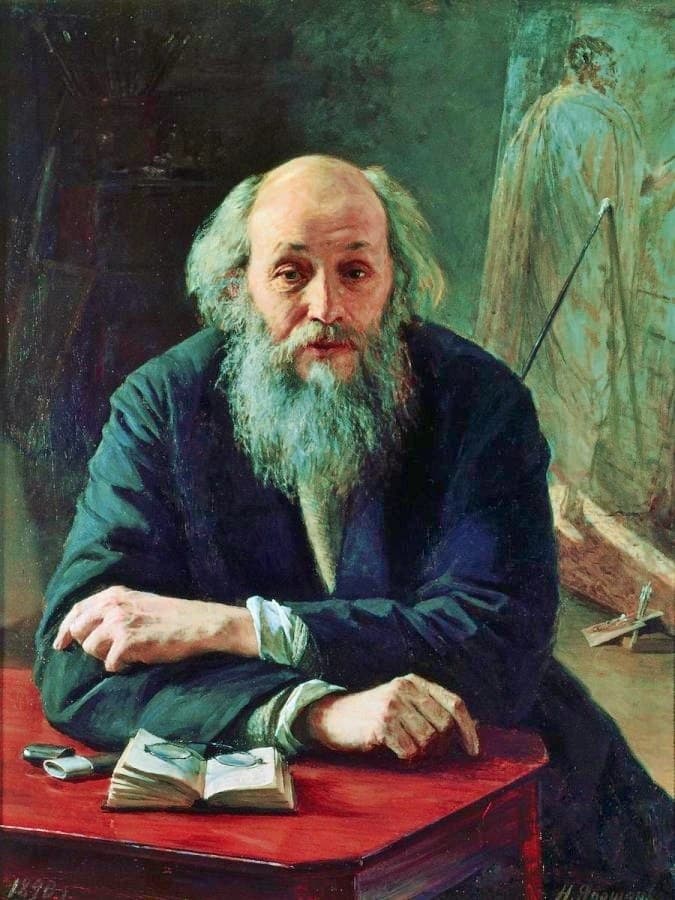
Mykola Ge
1831–1894
Mykola Ge (1831-1894) was a painter of Franco-Ukrainian descent, a leading figure of the Peredvizhniki generation and a radical reinterpreter of biblical subjects. From 1876 until his death he lived on the khutir Ivanivskyi in Chernihiv gubernia, where he painted Ukrainian landscapes and peasants alongside his late Passion cycle.
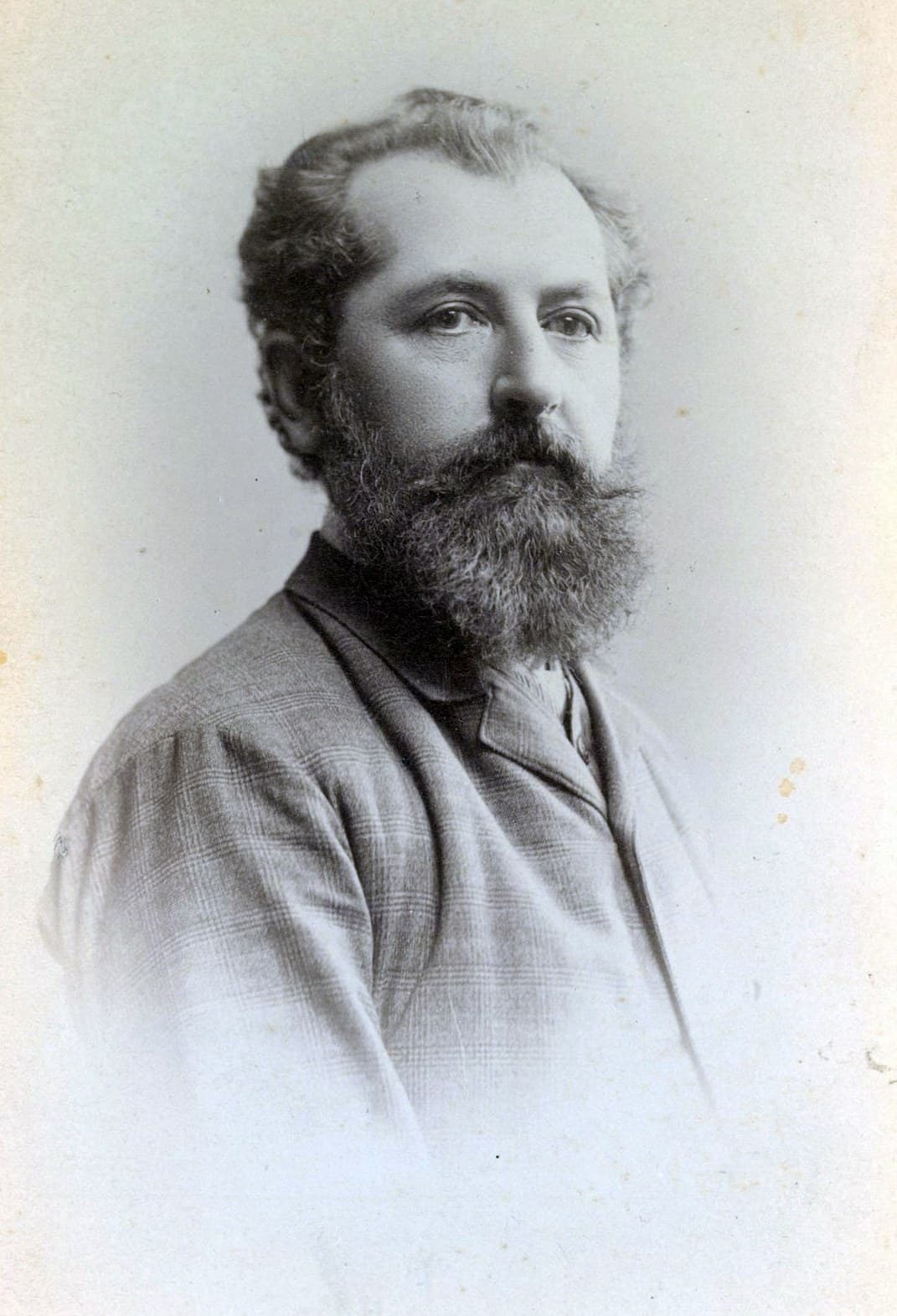
Kornylo Ustyianovych
1839–1903
A Galician Ukrainian painter, iconographer and writer, Vienna Academy-trained, who became a leading figure of 19th-century Western Ukrainian historical painting drawing on Cossack themes and Carpathian folk life.
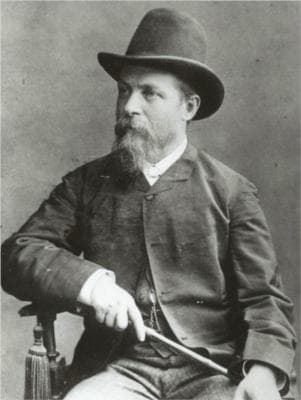
Volodymyr Orlovskyi
1842–1914
Volodymyr Orlovskyi was one of the most outstanding landscape painters of the second half of the 19th century. His contemporaries called him “a star of the first magnitude on a par with Aivazovskyi,” “a seeker of sunlight,” and “an incomparable celebrator of southern nature.”
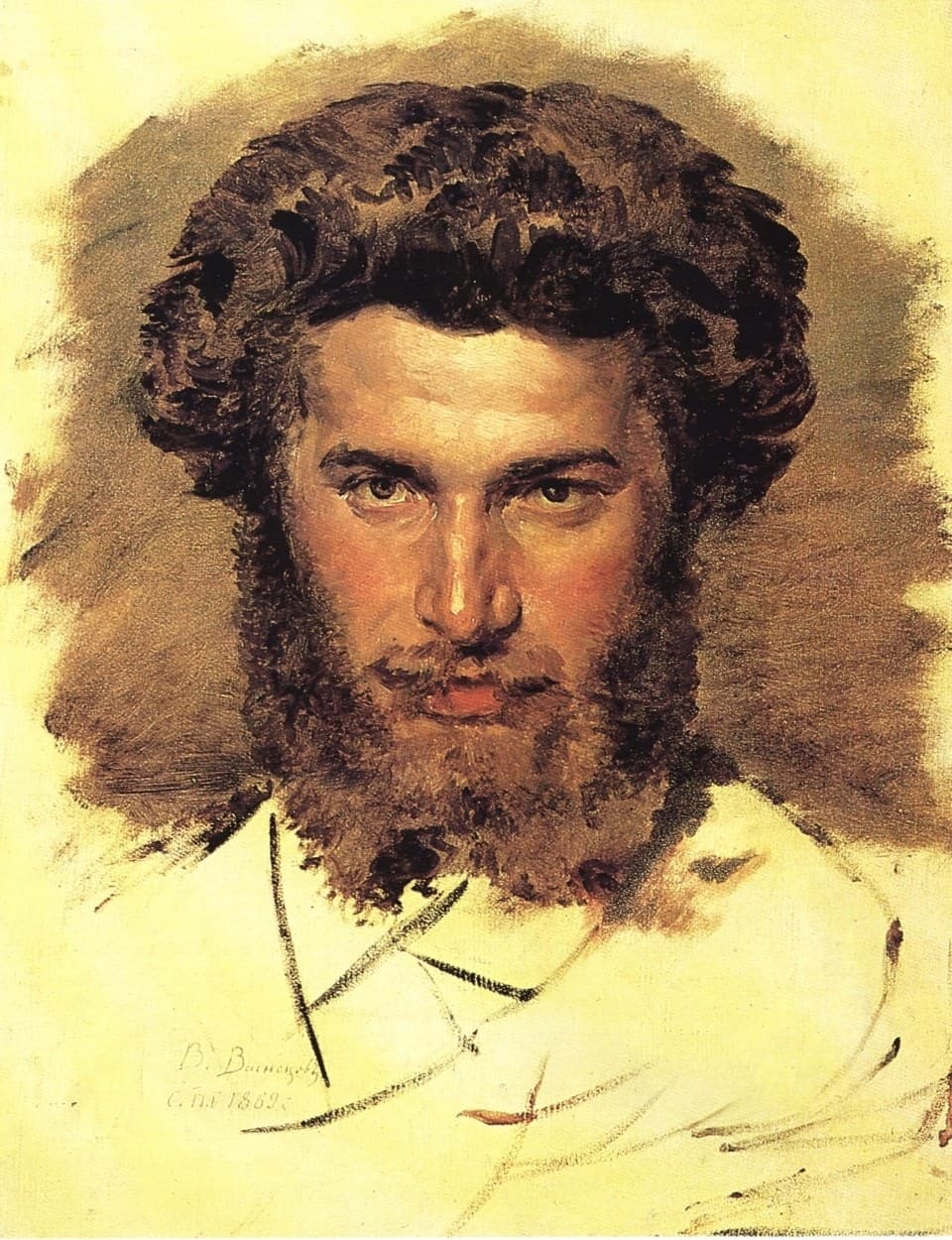
Arkhyp Kuindzhi
1842–1910
Greek-Ukrainian landscape painter famous for dramatic light effects (Moonlit Night on the Dnipro).
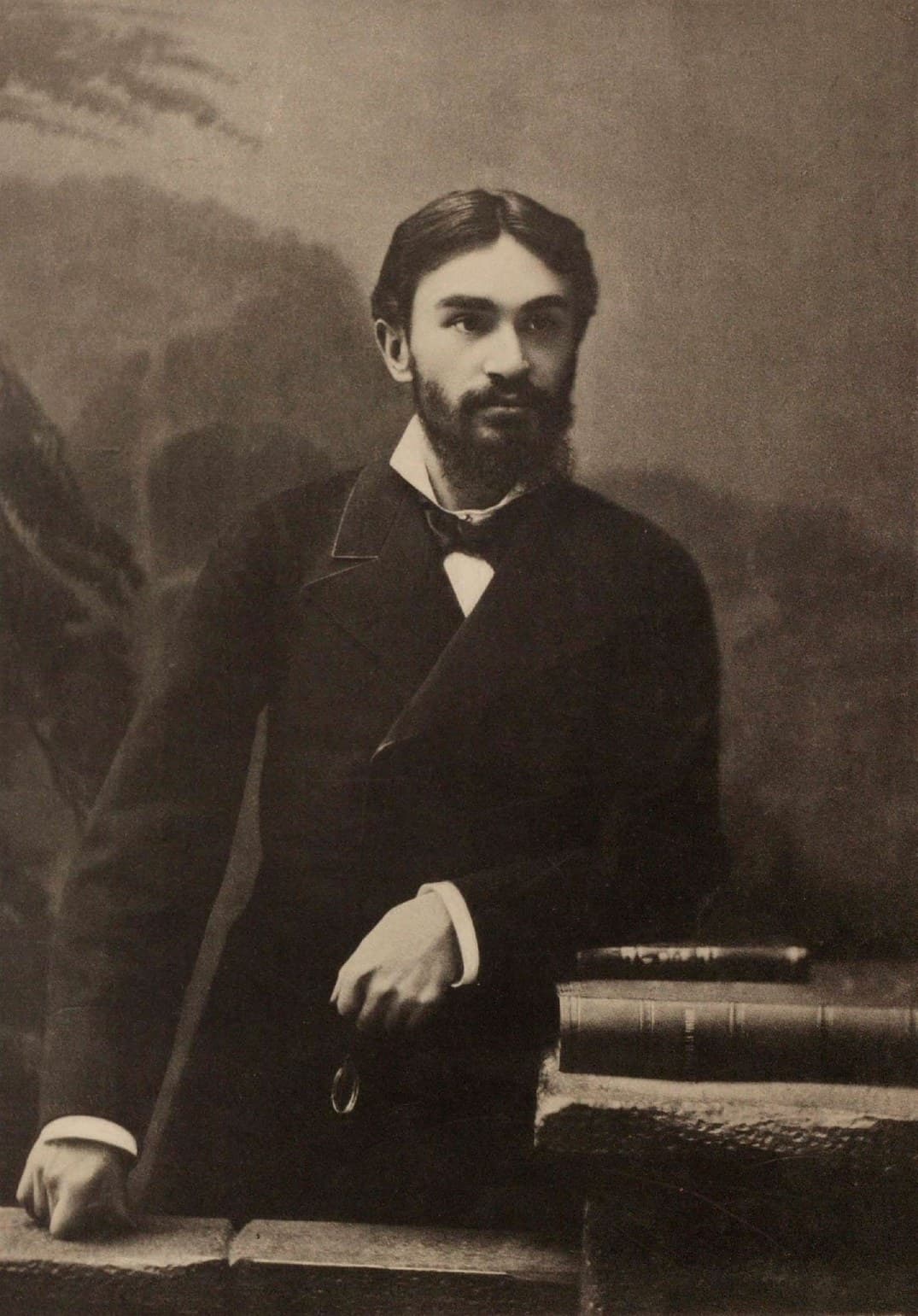
Mykola Murashko
1844–1909
A Ukrainian painter, art teacher and critic who founded the influential Kyiv Drawing School in 1875 and directed it until 1901. A friend of Repin, his own painting focused on realist landscapes, especially views of the Dnipro.
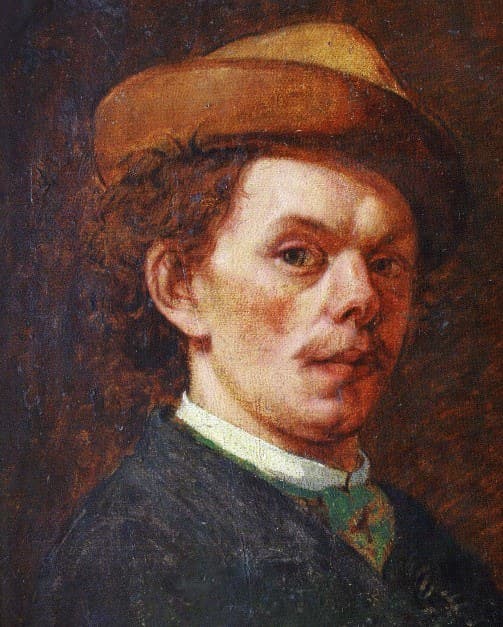
Teofil Kopystynskyi
1844–1916
A Galician Ukrainian painter, portraitist and church-art restorer trained in Cracow and Vienna, who spent his career in Lviv painting iconostases, portraits of Ukrainian historical figures and ethnographic scenes.
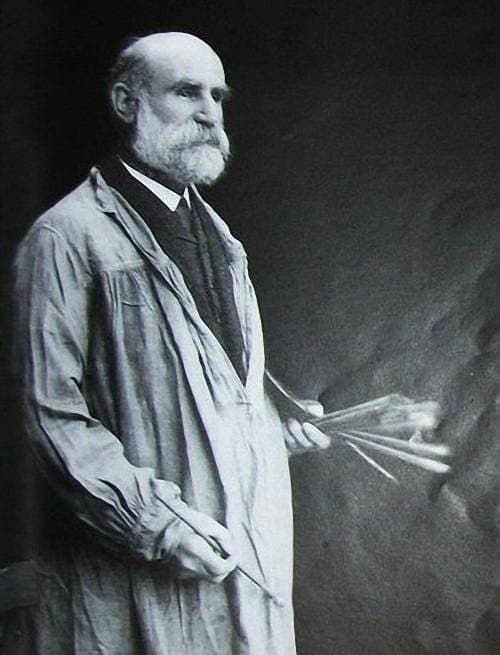
Kyriak Kostandi
1852–1921
Greek-Ukrainian leader of the Odesa school; president of the Society of South Russian Artists and director of the Odesa City Museum; admired for luminous handling of sunlight.
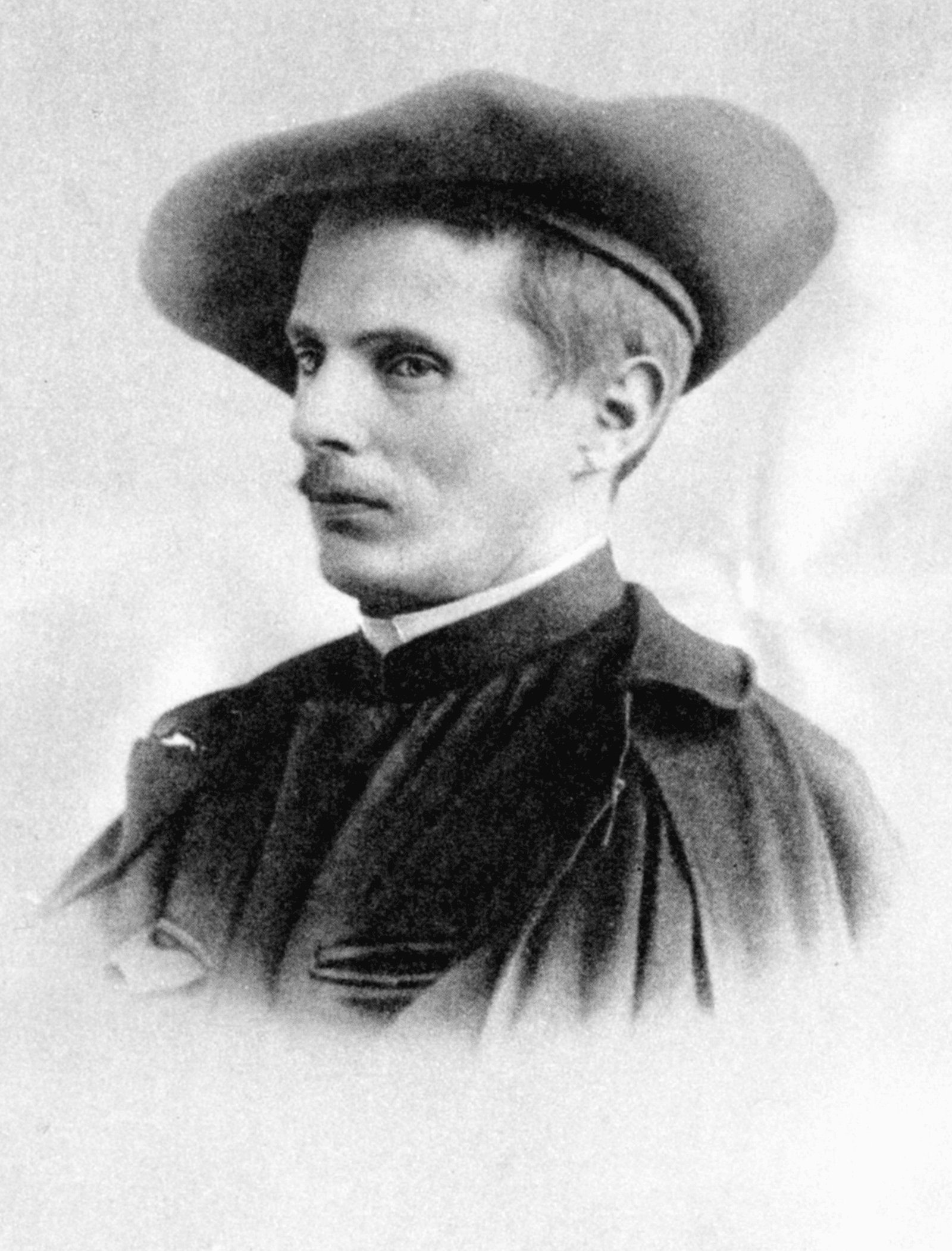
Serhii Vasylkivskyi
1854–1917
Prolific Kharkiv landscape, genre and history painter and authority on Ukrainian folk ornament; left ~3,000 works and donated ~1,500 to the Kharkiv Art Museum.
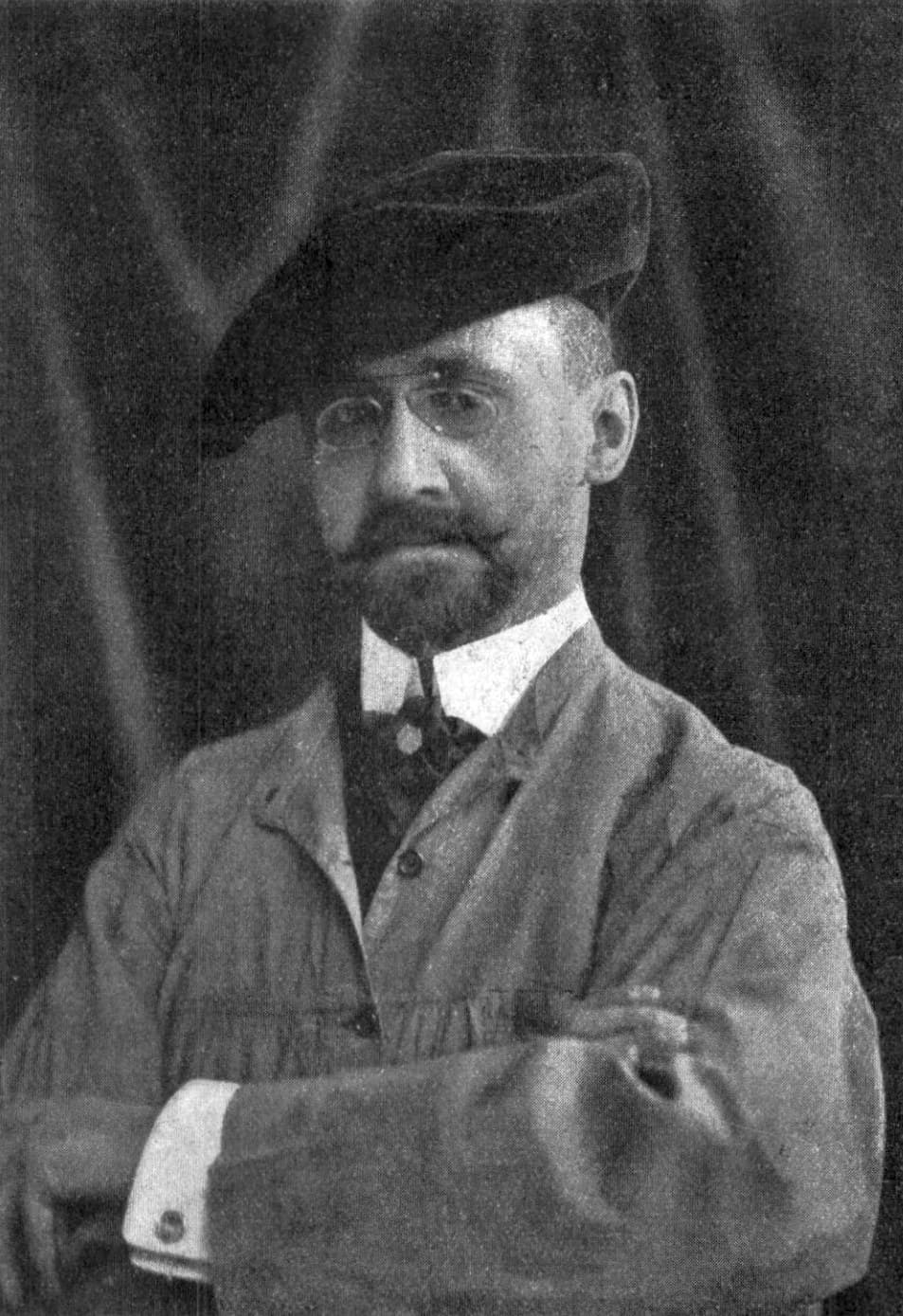
Yosyp Krachkovskyi
1854–1914
Yosyp (Iosif) Krachkovskyi was a landscape painter of Polish descent, born in Warsaw and trained at the Imperial Academy of Arts in St Petersburg, where he spent his career. He is best known for luminous Crimean landscapes and flowering-garden scenes, and for a group of Ukrainian subjects including 'Ukrainian Evening' (1889).
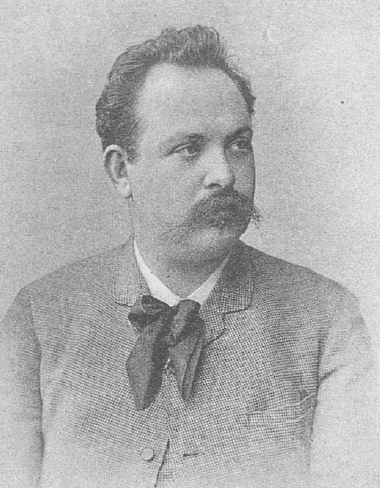
Mykola Serheiev
1855–1919
Mykola Serheiev was a landscape painter born in Kharkiv in 1855 who built his career in St Petersburg and died of typhus back in Kharkiv in 1919. Although catalogued almost everywhere as a Russian painter, his subjects were overwhelmingly Ukrainian: orchards, village gardens, the Dnipro and the Kharkiv-region countryside.
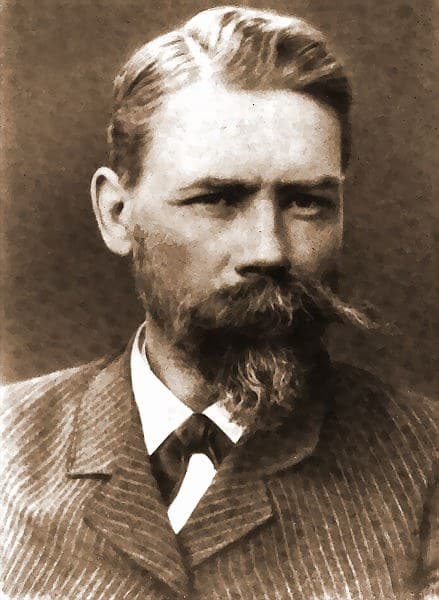
Opanas Slastion
1855–1933
Painter, graphic artist, ethnographer; first illustrator of Shevchenko's 'Haidamaky', documented Ukrainian kobzars, and a pioneer of Ukrainian Art Nouveau.
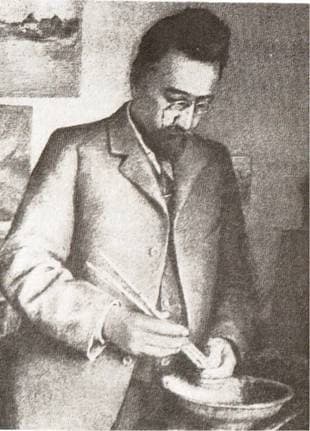
Petro Levchenko
1856–1917
Kharkiv landscape painter of intimate, lyrical Ukrainian villages and courtyards in increasingly impressionist colour; ~800 landscapes.
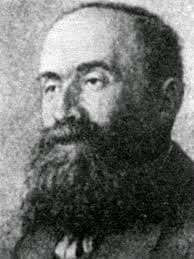
Serhii Svitoslavskyi
1857–1931
Serhii Ivanovych Svitoslavskyi (October 6, 1857, Kyiv – September 19, 1931, Kyiv) was an outstanding Ukrainian landscape painter and a master of color. He was a member of the Peredvizhniki Society from 1891 to 1900. He was born into a noble family. In 1870, he enrolled in the Moscow School of Painting, Sculpture, and Architecture, where he studied until 1882 under Alexei Savrasov, Vasily Perov, Evgraf Sorokin, Ilarion Pryanishnikov, and Vasily Polenov. He began exhibiting in 1884 at exhibitions organized by the Society for Itinerant Art Exhibitions. In his later work, most of his paintings were dedicated to the nature of Ukraine, views of the Dnipro River, and Kyiv. He created landscapes featuring genre and animalistic scenes. In 1900, he was awarded a bronze medal at the World’s Fair in Paris for his painting “The Courtyard.”
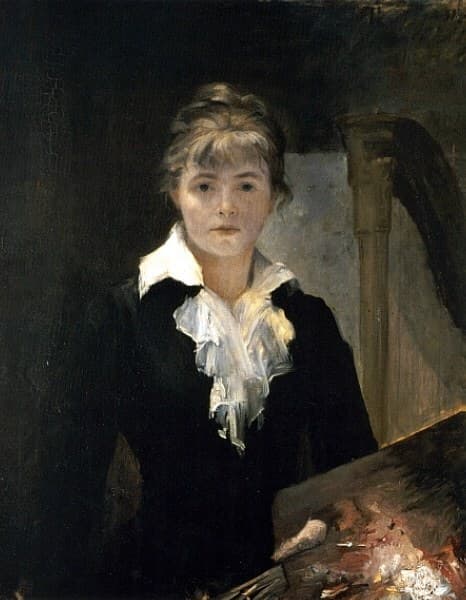
Mariia Bashkirtseva
1858–1884
Mariia Bashkirtseva was a painter, sculptor and diarist born in the village of Havrontsi in Ukraine's Poltava region, who became one of the most talked-about young artists of 1880s Paris. Trained at the Académie Julian and shaped by the naturalism of Jules Bastien-Lepage, she won a Salon gold medal in 1879 and died of tuberculosis at 25. Her early works are today divided between the State Russian Museum and Ukrainian collections in Dnipro and Kharkiv.
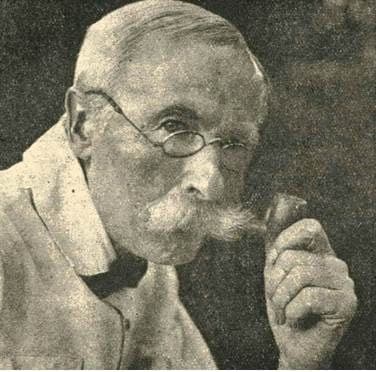
Mykola Samokysh
1860–1944
A prolific Ukrainian battle and equine painter of Cossack descent who produced over 10,000 works. In the Soviet period he devoted much of his art to dramatic canvases of the Khmelnytskyi era.
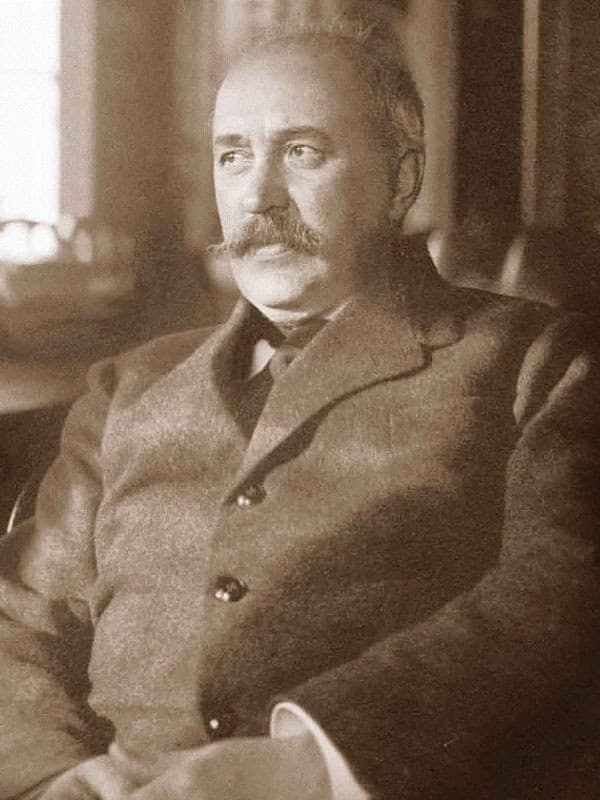
Mykhailo Berkos
1861–1919
A Ukrainian landscape painter trained in Odesa and at the Imperial Academy, who settled near Kharkiv painting impressionist-influenced Ukrainian landscapes and helped found the Kharkiv Art College.
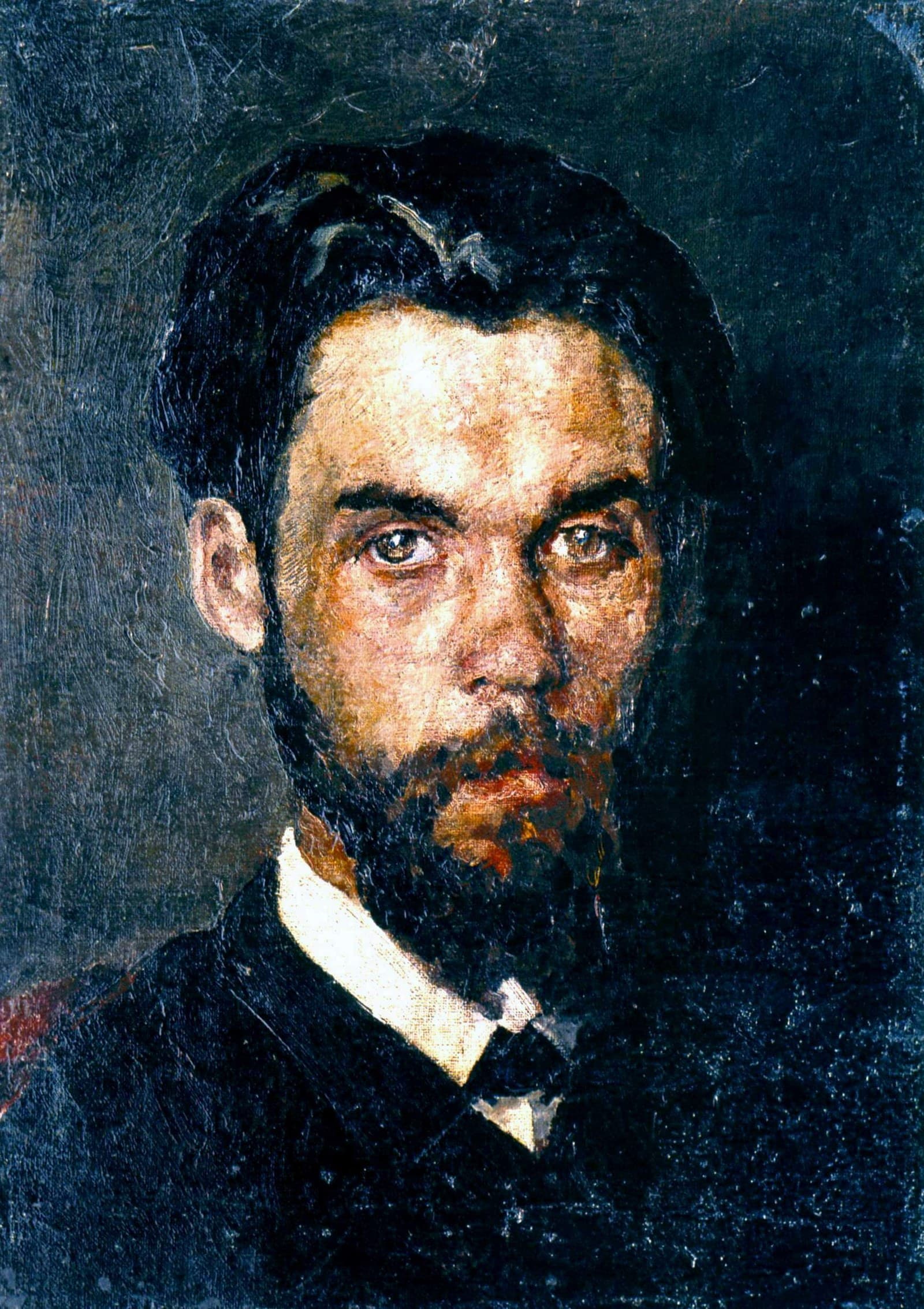
Mykola Pymonenko
1862–1912
Leading figure of Ukrainian realist genre art; produced 700+ ethnographically precise scenes of Ukrainian rural life and taught at the Kyiv Art School (Malevych was a pupil). His 'Hopak' entered the Louvre.
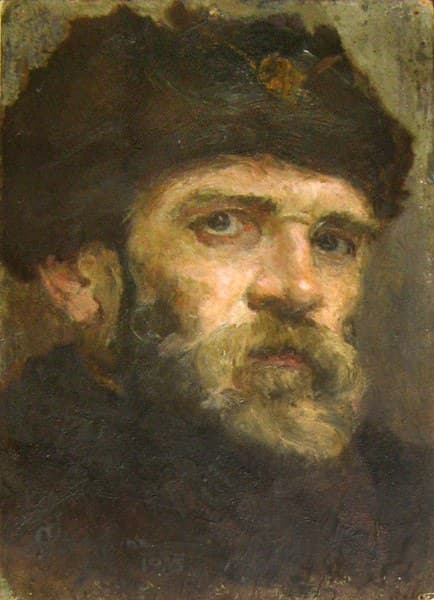
Ivan Yizhakevych
1864–1962
One of the most prolific Ukrainian painters and illustrators of his era, trained in the Kyiv Pechersk Lavra icon workshop and the St. Petersburg Academy. A late master of Ukrainian icon painting, known for genre scenes and Shevchenko illustrations.
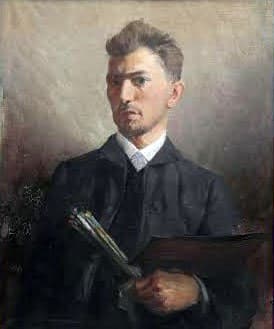
Mykola Ivasiuk
1865–1937
A Ukrainian history painter born in Bukovyna and Vienna Academy-trained, who worked in Chernivtsi and Kyiv on monumental Cossack history. He was arrested and executed during the Great Purge in 1937.
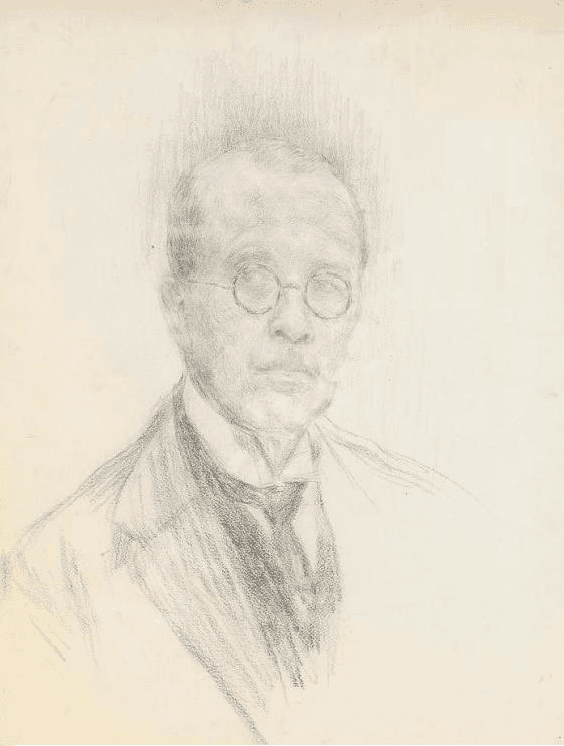
Petro Nilus
1869–1943
An Impressionist painter and writer born in Podolia and raised in Odesa, where he trained under Kyriak Kostandi. A friend of Bunin, he emigrated to Paris in 1920, where he worked until his death.
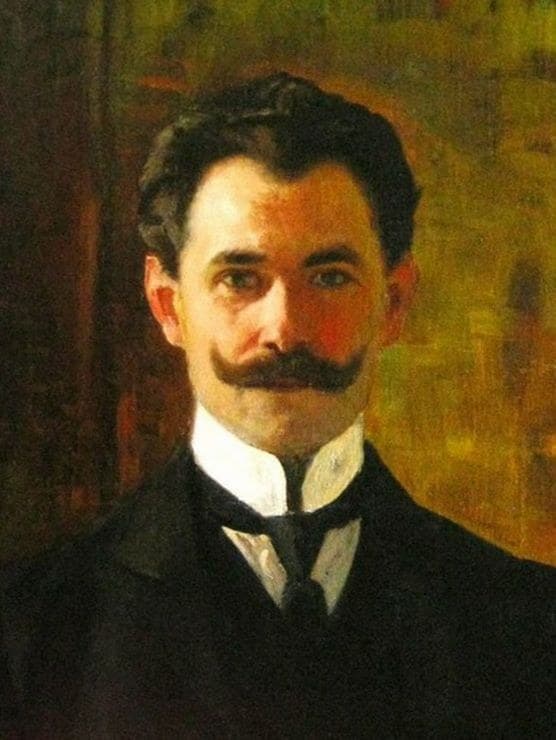
Osyp Kurylas
1870–1951
A Ukrainian (Galician) painter and graphic artist, Kraków Academy-trained, best known for depictions of Hutsuls and patriotic imagery of the Ukrainian Sich Riflemen, with whom he served in WWI. He later directed Novakivskyi's Lviv art school.
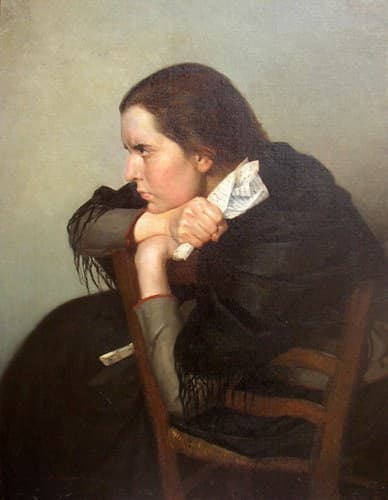
Serafyma Blonska
1870–1947
Serafyma Blonska was a Ukrainian painter born in Verkhnodniprovsk on the Dnipro, trained at Mykola Murashko's Kyiv Drawing School and at the Imperial Academy of Arts, with further study in Italy. Her 1900 diploma canvas Girls. Palm Sunday, a candle-lit church interior full of girls holding willow branches, is one of the finest Ukrainian paintings of Easter-cycle ritual. With her husband, the Myrhorod-born painter Oleksandr Leontovskyi, she ran a drawing school in Taganrog for eighteen years, teaching orphaned children free of charge.
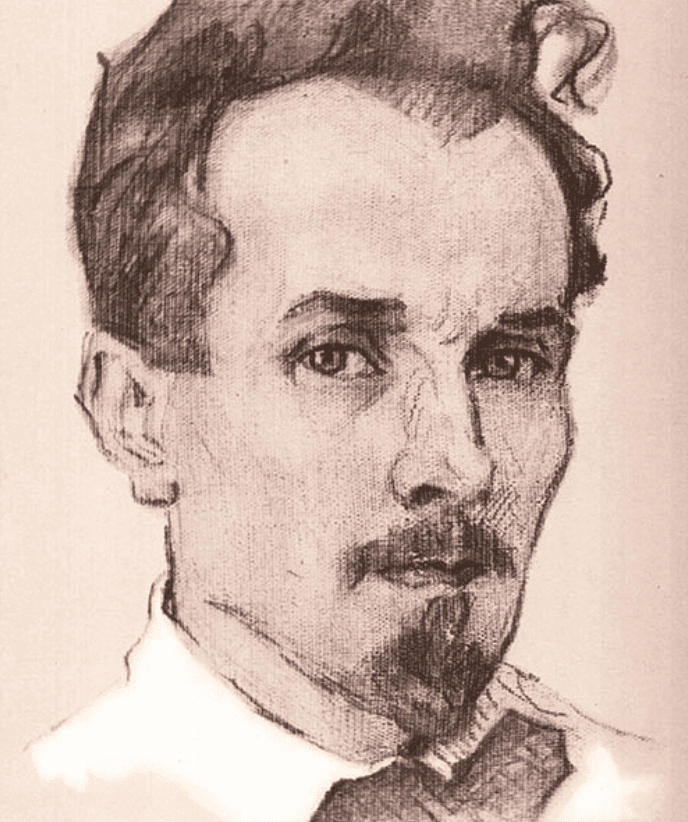
Hryhorii Svitlytskyi
1872–1948
A Ukrainian painter and trained musician born and died in Kyiv, who studied under Murashko, Repin and Kuindzhi. Nicknamed the 'Poet of Moonlit Nights,' he was a lyrical landscapist and in 1946 became the first People's Artist of the Ukrainian SSR.
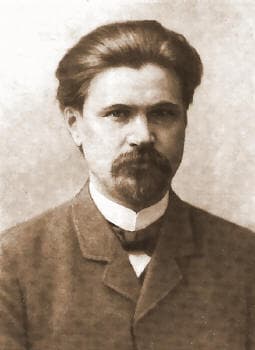
Fotii Krasytskyi
1873–1944
A Ukrainian painter and graphic artist, grand-nephew of Taras Shevchenko, who studied under Pymonenko, Kostandi and Repin. A realist with impressionist leanings, he taught at the Kyiv State Art Institute.
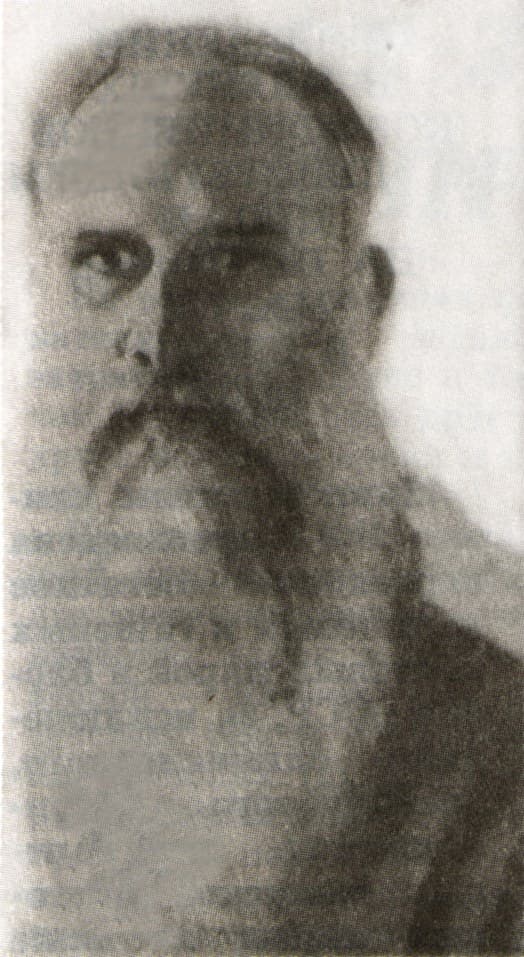
Ivan Miasoiedov
1881–1953
Ivan Miasoiedov was a painter, draughtsman and engraver born in Kharkiv and raised on his family's estate near Poltava, where he led a bohemian artists' circle and painted Ukrainian landscapes alongside large symbolist compositions on antique myth. He was also a champion weightlifter, a wartime artist, a convicted counterfeiter and, from 1938, the designer of Liechtenstein's postage stamps under the name Eugen Zotow. His early Poltava-period work is held by the Poltava Art Museum, and the bulk of his later output by the Zotow–Miasoiedov Foundation in Vaduz.
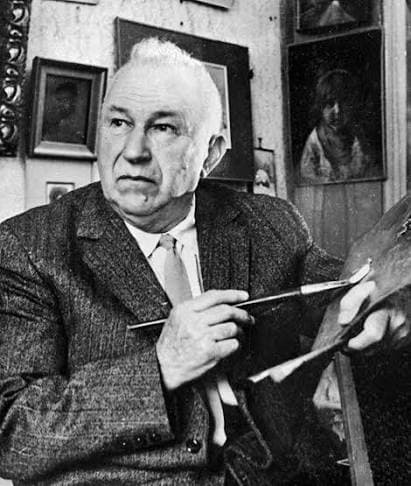
Fedir Konovaliuk
1890–1984
Fedir Konovaliuk was a Kyiv painter and illustrator who began as an icon painter in the Pechersk Lavra workshop and became one of the most exact landscapists of the Ukrainian village. He worked for decades alongside Ivan Yizhakevych, together producing illustrations for the classics of Ukrainian literature. His small, densely coloured panels record identifiable places, seasons and even particular days rather than picturesque scenery.
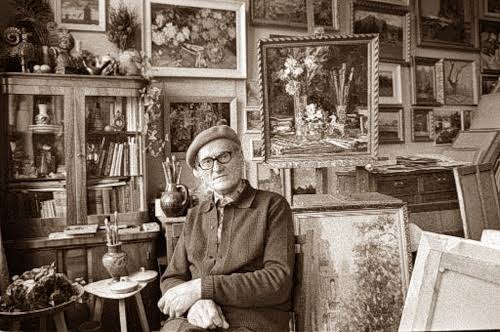
Serhii Shyshko
1911–1997
Serhii Shyshko was a Ukrainian landscape painter who spent five decades recording Kyiv and its surroundings in a loose, light-filled plein-air manner. He is best known for the 'Kyivan Suite', a cycle of more than a hundred canvases of the city, and was among the most decorated landscapists of Soviet Ukraine.
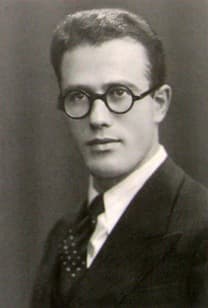
Havrylo Hliuk
1912–1983
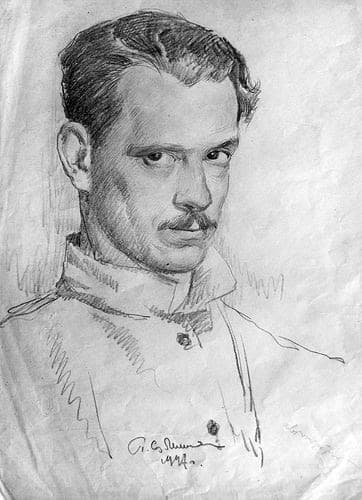
Petro Sulymenko
1914–1996
Petro Stepanovych Sulymenko (1914–1996) was a Ukrainian painter, landscape artist, and creator of thematic paintings. He was named an Honored Artist of Ukraine in 1974. He studied at the Kyiv Art Institute (1939–1947) under O. Shovkunenko. He traveled extensively. His most significant works are dedicated to the heroic deeds of naval soldiers on the fronts of World War II and during the October Revolution. Husband of artist Z. Zatsepina. He lived and worked in Kyiv.
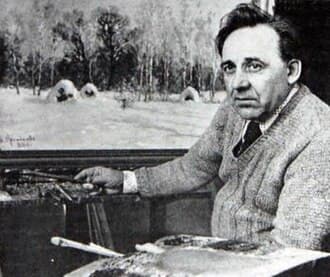
Vasyl Nepyipyvo
1916–2007
Vasyl Nepyipyvo was a Ukrainian landscape and still-life painter, People's Artist of the Ukrainian SSR (1982), who worked entirely outside formal art education. A self-taught graduate of a Kharkiv art studio and a Second World War veteran, he built a career on lyrical panoramas of the Dnipro, Poltava region and Kyiv. Critics described his landscapes as epic, romantic and unusually rich in colour, rooted in the tradition of Ukrainian realist landscape painting.
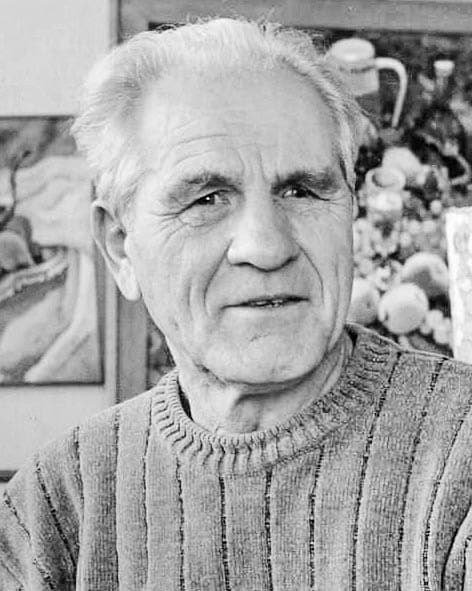
Mykola Maksymenko
1924–2016
Mykola Maksymenko was a Ukrainian painter of still lifes and landscapes, People's Artist of Ukraine (1994) and a laureate of the Shevchenko National Prize for his cycle 'Landscapes of Ukraine'. Blinded in one eye as a front-line scout in 1943, he spent nearly seven decades painting the Polissia countryside around Zhytomyr in a dense, high-keyed impasto. The largest single collection of his work is held by the Zhytomyr Regional Museum of Local Lore.
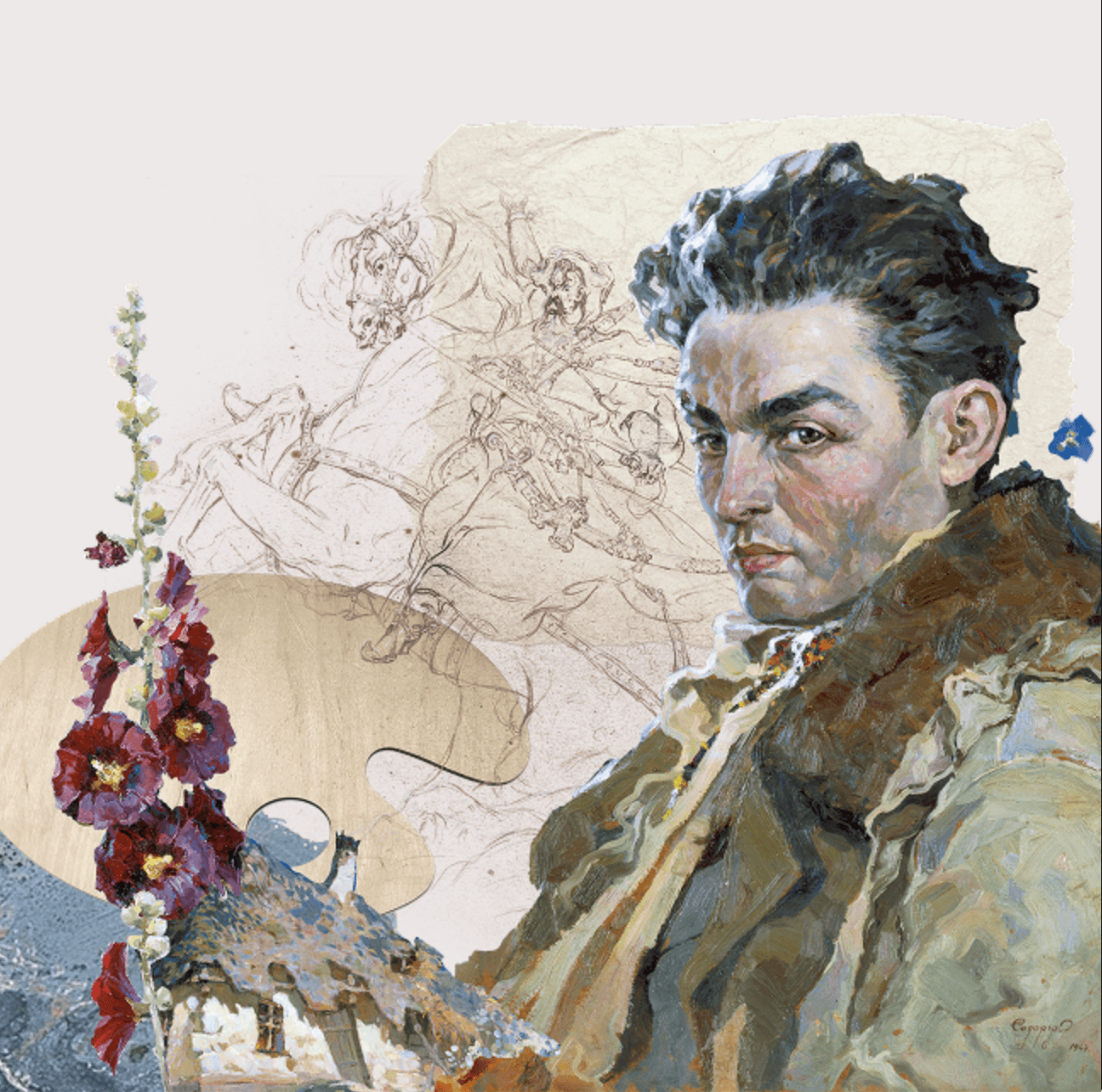
Volodymyr Sydoruk
1925–1997
Volodymyr Sydoruk (1925–1997) – Ukrainian painter. He graduated from the Kyiv Art School (1938), where he studied under I. Khvorostetskyi and Y. Kyianchenko. He participated in exhibitions (beginning in 1954). Member of the National Union of Artists of Ukraine (1957). Honored Artist of the Ukrainian SSR (1985). During his lifetime, the artist held 12 solo exhibitions. He worked primarily in the genres of landscape, still life, and thematic painting. The artist’s works are held in museums in Ukraine, as well as in private collections and galleries in Ukraine, Russia, Japan, and Europe.
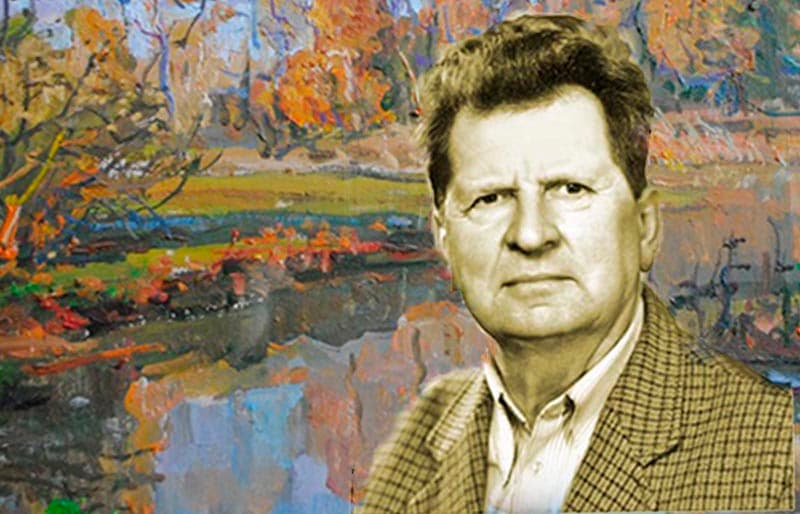
Volodymyr Zhuhan
1926–2008
Volodymyr Zhuhan (1926–2008) was a Ukrainian painter from the Dnipro region and one of the originators of the Ukrainian industrial landscape. A Second World War veteran, he built a career around the scenery, rivers and heavy industry of Dnipropetrovsk and Poltava oblasts. He was made a Merited Artist of Ukraine in 2006.
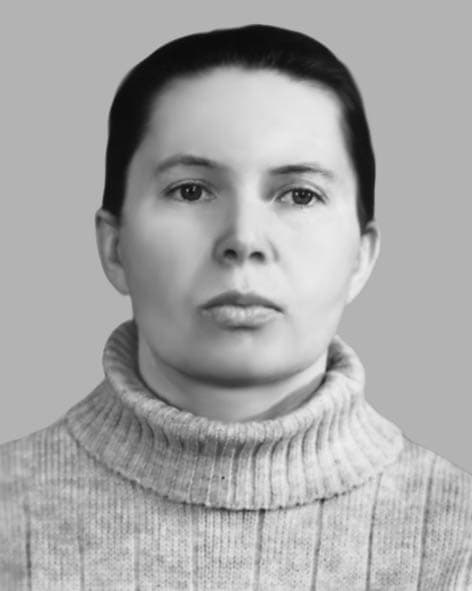
Nataliia Verhun
1938–2026
Nataliia Verhun was a Ukrainian painter based in Kharkiv, People's Artist of Ukraine (1997) and the daughter of the poet Ivan Vyrhan. Trained at the Repin Institute in Leningrad under Andrei Mylnikov, she devoted her career to the life of the Ukrainian village — harvests, field meals, self-portraits and seasonal still lifes. The Kharkiv Art Museum holds the largest body of her work, enlarged by a gift of some 400 pieces in 2025.
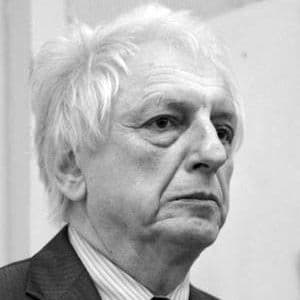
Liubomyr Medvid
b. 1941
Liubomyr Medvid, born in 1941 in the Lviv-region village of Varyazh, is one of the leading painters of the Lviv school and a professor at the Lviv National Academy of Arts. He is a People's Artist of Ukraine and a full academician of the National Academy of Arts of Ukraine, and won the Shevchenko National Prize in 2014 for his cycle «Ремінісценції». His painting moves between meticulously observed Galician landscape and large philosophical cycles on displacement, exile and Christian ethics.
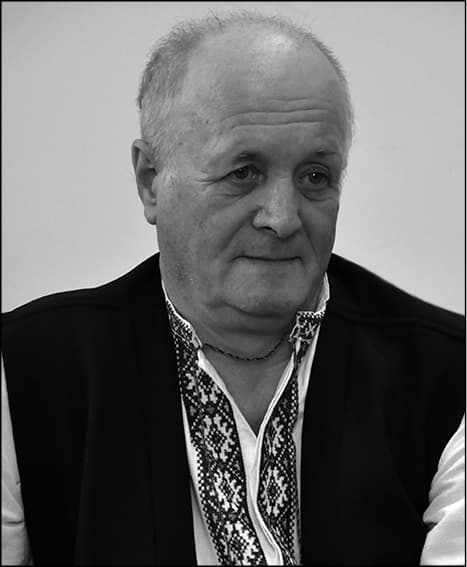
Viktor Nakonechnyi
1947–2015
Viktor Nakonechnyi was a self-taught Podillian painter, graphic artist and master of vytynanka paper-cutting and pysanka egg-painting from the embroidery village of Klembivka in Vinnytsia Oblast. He fused Ukrainian folk painting traditions with academic oil and tempera technique to build an enormous body of ethnographic village scenes, and won Ukraine's highest artistic honour, the Shevchenko National Prize, in 2009.
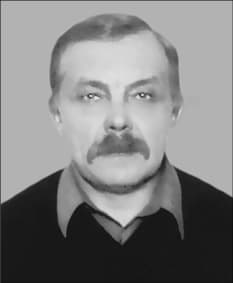
Mykola Ovsiiko
b. 1954
Mykola Ovsiiko (b. 1954, Chernihiv Oblast) is an Odesa-based Ukrainian painter working almost entirely in landscape and still life. His pictures are noted for their quiet, narrative undercurrent and unorthodox painterly solutions rather than straight description. He was made a Merited Artist of Ukraine in 2018.
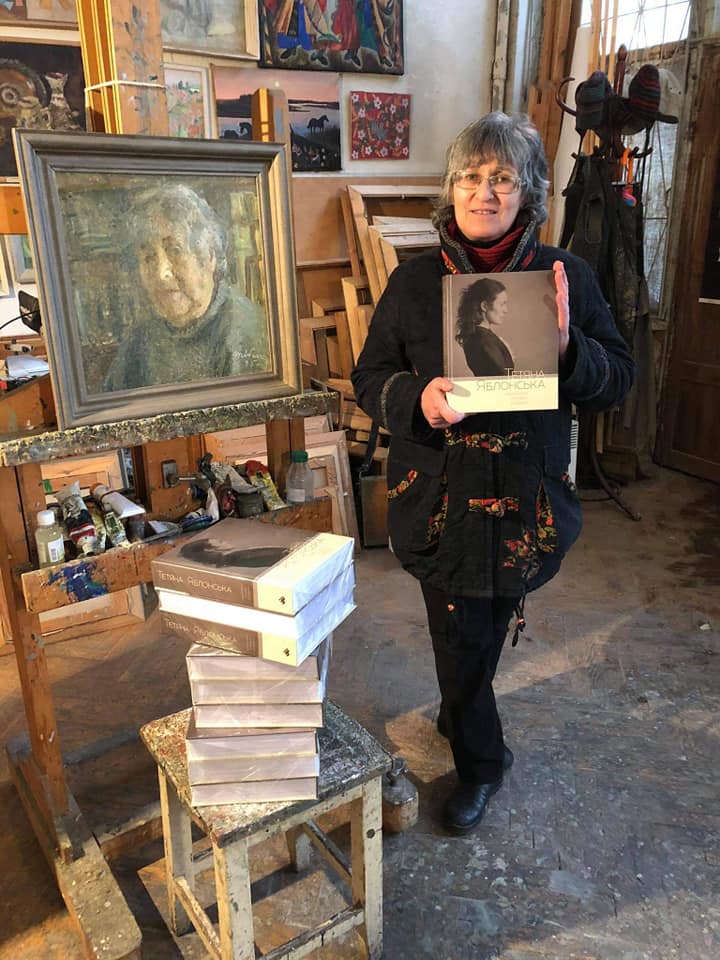
Haiane Ataian
b. 1959
Haiane Ataian is a Kyiv painter born in 1959, the youngest daughter of the Ukrainian painter Tetiana Yablonska and the Armenian-Ukrainian painter Armen Ataian. She works almost entirely in easel landscape, much of it painted on location in and around Kyiv and at the Sedniv artists' residence. Her works are held by the National Museum "Kyiv Art Gallery" and by regional museums in Khmelnytskyi and Zaporizhzhia.
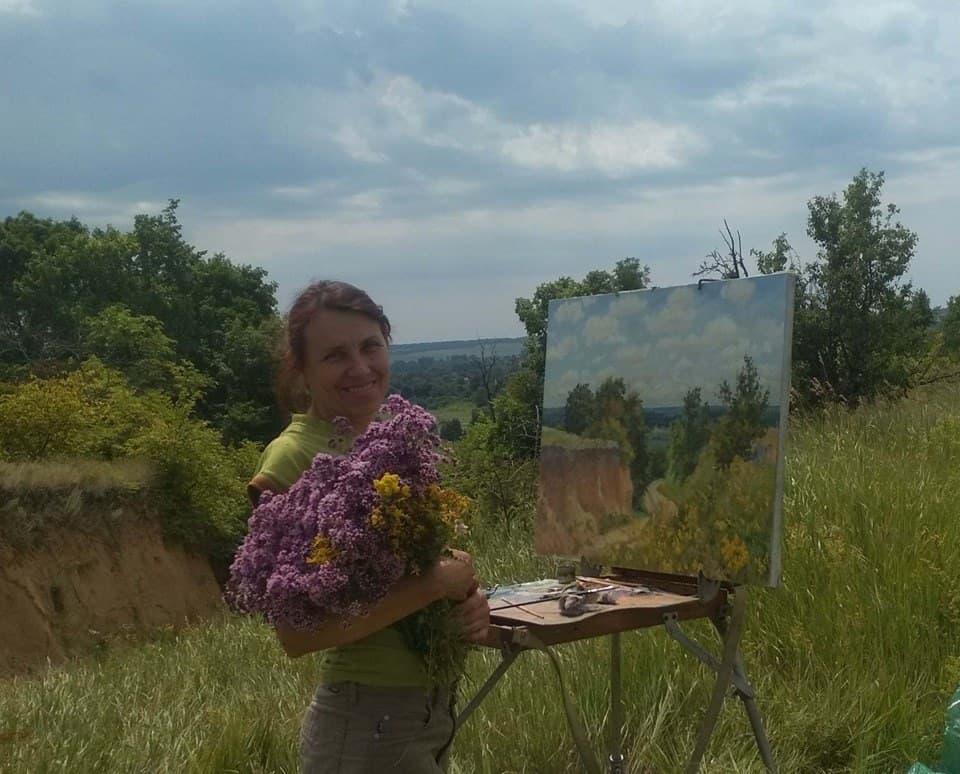
Nadiia Poluian-Vnukova
b. 1968
Nadiia Poluian-Vnukova is a Ukrainian painter born in Romny, Sumy Oblast, in 1968 and still living and working there, a member of the National Union of Artists of Ukraine since 2004. Trained first as a decorative painter and textile designer, she paints minutely detailed, sunlit interiors, still lifes of wild flowers in ceramic jugs, and scenes of Christmas and childhood in her native Romny district.
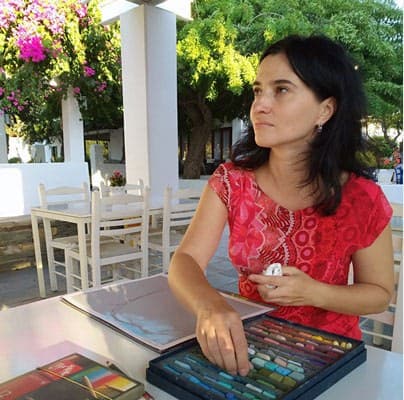
Vira Kavura
b. 1978
Vira Kavura is a Kyiv-based artist who works almost exclusively in soft pastel, and mainly with flowers. She paints from live bouquets in natural light, building each composition around a dominant bloom, and has produced more than three hundred realist floral pastels. She is an associate artist of Unison Colour and teaches pastel technique through video courses and international workshops.
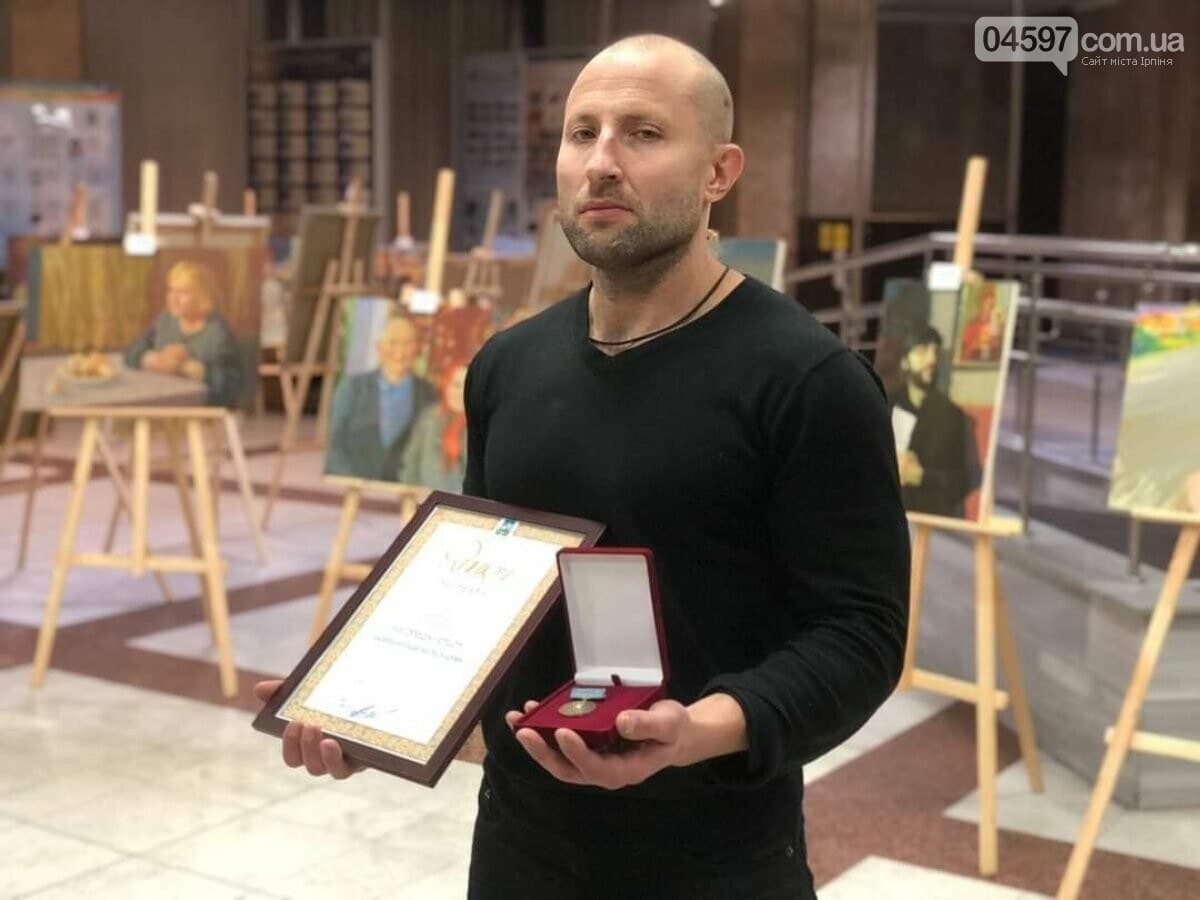
Vladyslav Zadvorskyi
b. 1984
Vladyslav Zadvorskyi (b. 1984, Shpola) is a Ukrainian painter based in Irpin near Kyiv who works in an impressionist and realist idiom. He paints landscapes, portraits and figurative compositions, and since 2022 has documented the wartime history of Irpin.
Ilona Shymchyts
Ilona Shymchyts is a Ukrainian painter and relief-carver from the Borshchiv district of Ternopil Oblast, trained at the Lviv National Academy of Arts and based in Lviv. Her work moves between geometric abstraction in acrylic on paper and quiet, meditative rural landscapes in which village architecture carries a sense of calm and rootedness. She has shown in Kyiv, Kharkiv, Lviv and Borshchiv as well as in Canada and Poland.
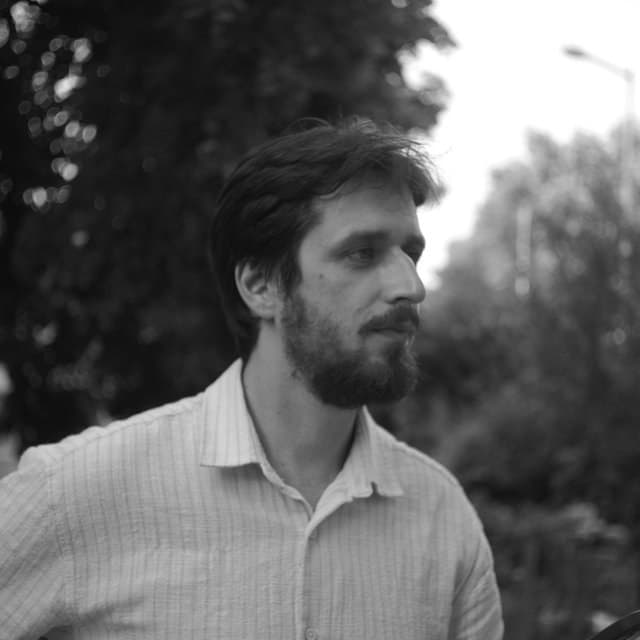
Oleksandr Shcherbyna
Oleksandr Shcherbyna is a contemporary Ukrainian painter and pastellist based in Odesa who sells internationally through Saatchi Art, where he has listed work since 2017. He paints small-format landscapes, seasonal studies and still lifes in oil on canvas and pressed cardboard, and works extensively in pastel on paper.
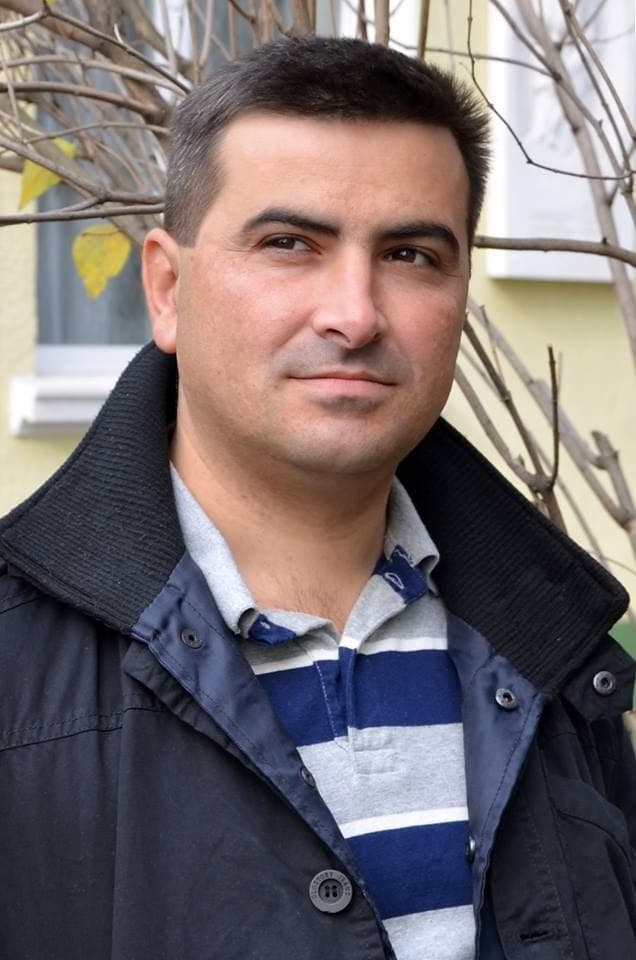
Mykola Yatsurak
Mykola Yatsurak is a Ukrainian painter from Velykyi Kliuchiv in Ivano-Frankivsk Oblast, now living in Kolomyia, where he teaches at the Yaroslav Pstrak Art School. A member of the National Union of Artists of Ukraine, he paints Hutsul village life, weddings and Carpathian landscapes.
Works from this Movement
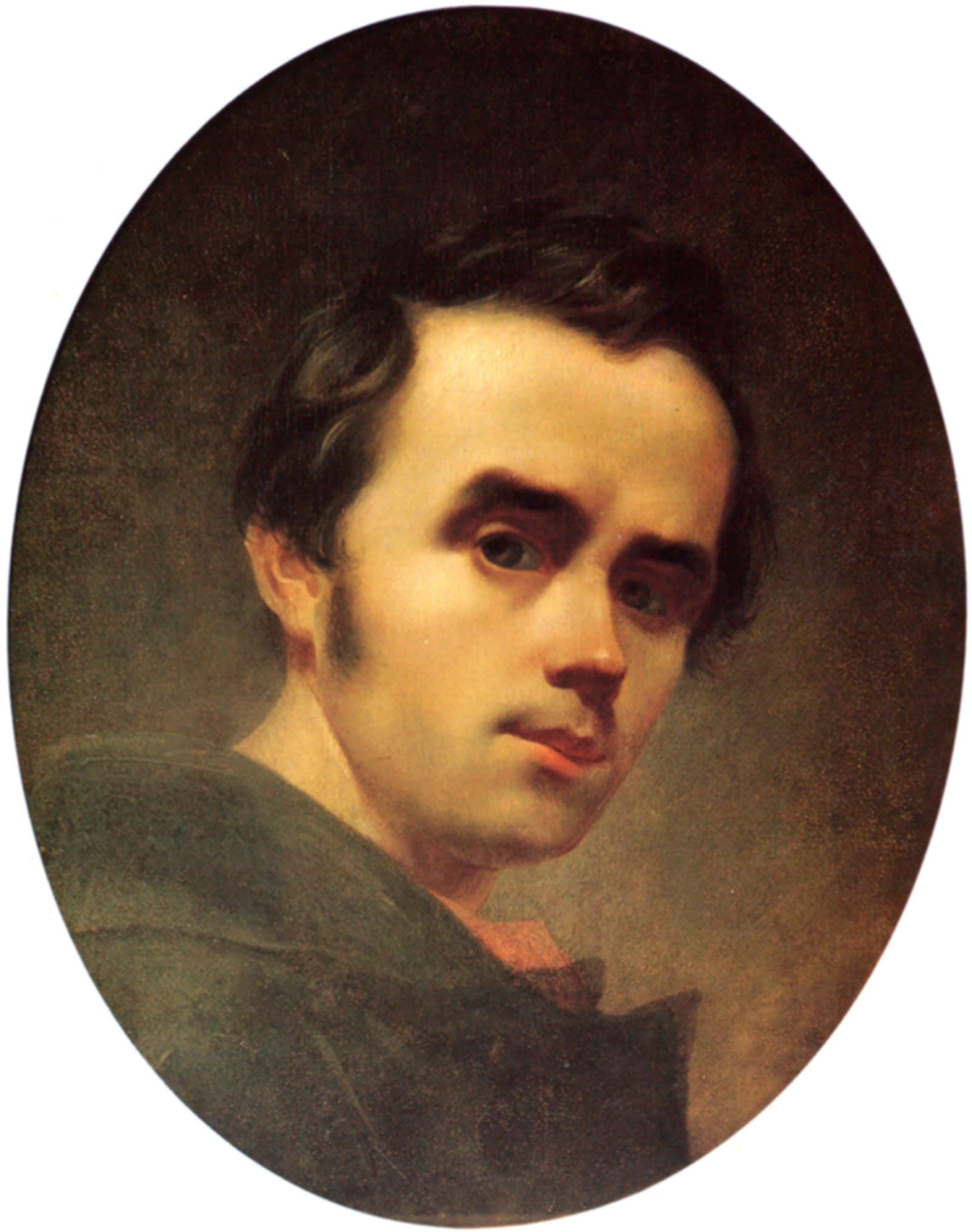
Self-portrait
Taras Shevchenko
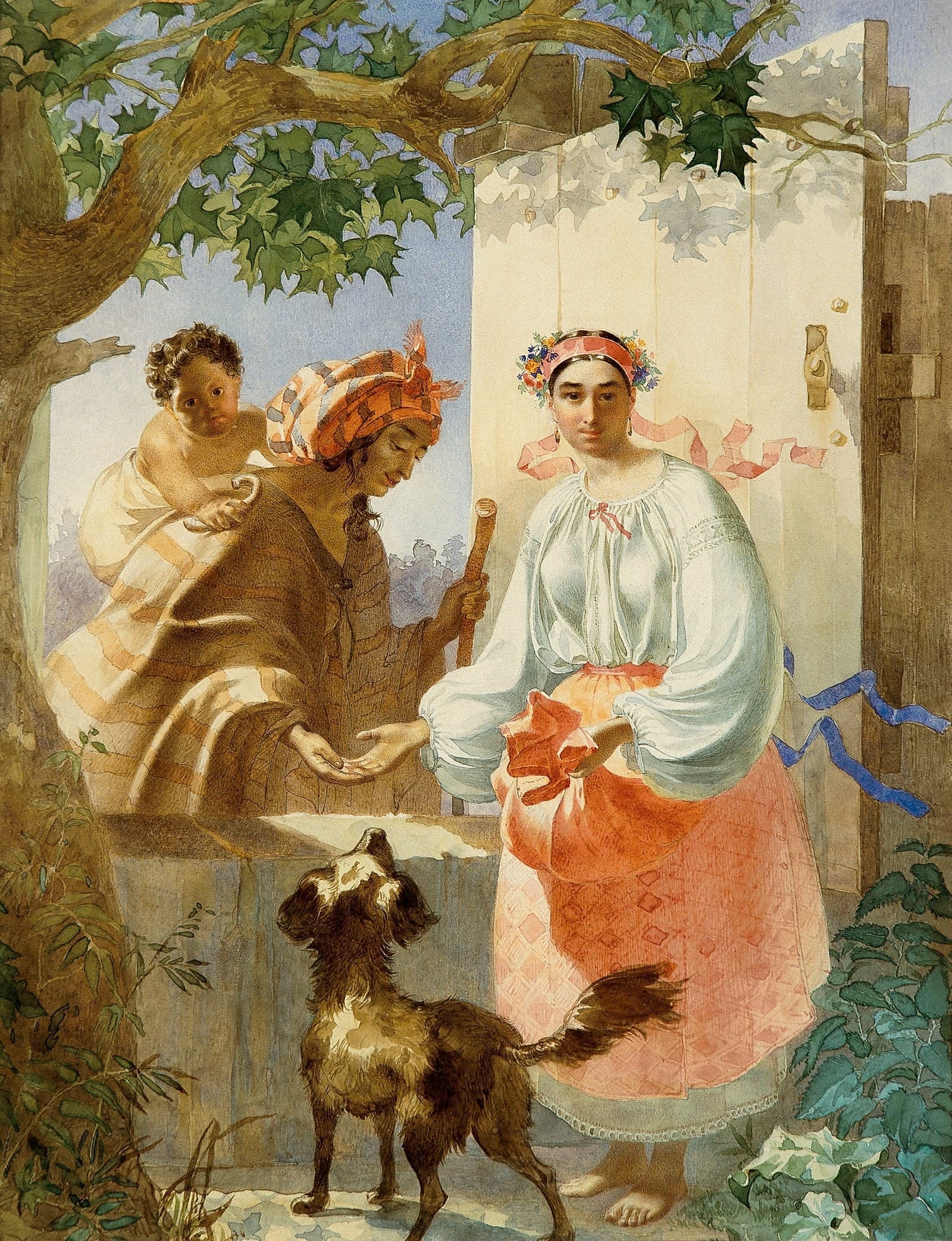
The Gypsy Fortune Teller
Taras Shevchenko
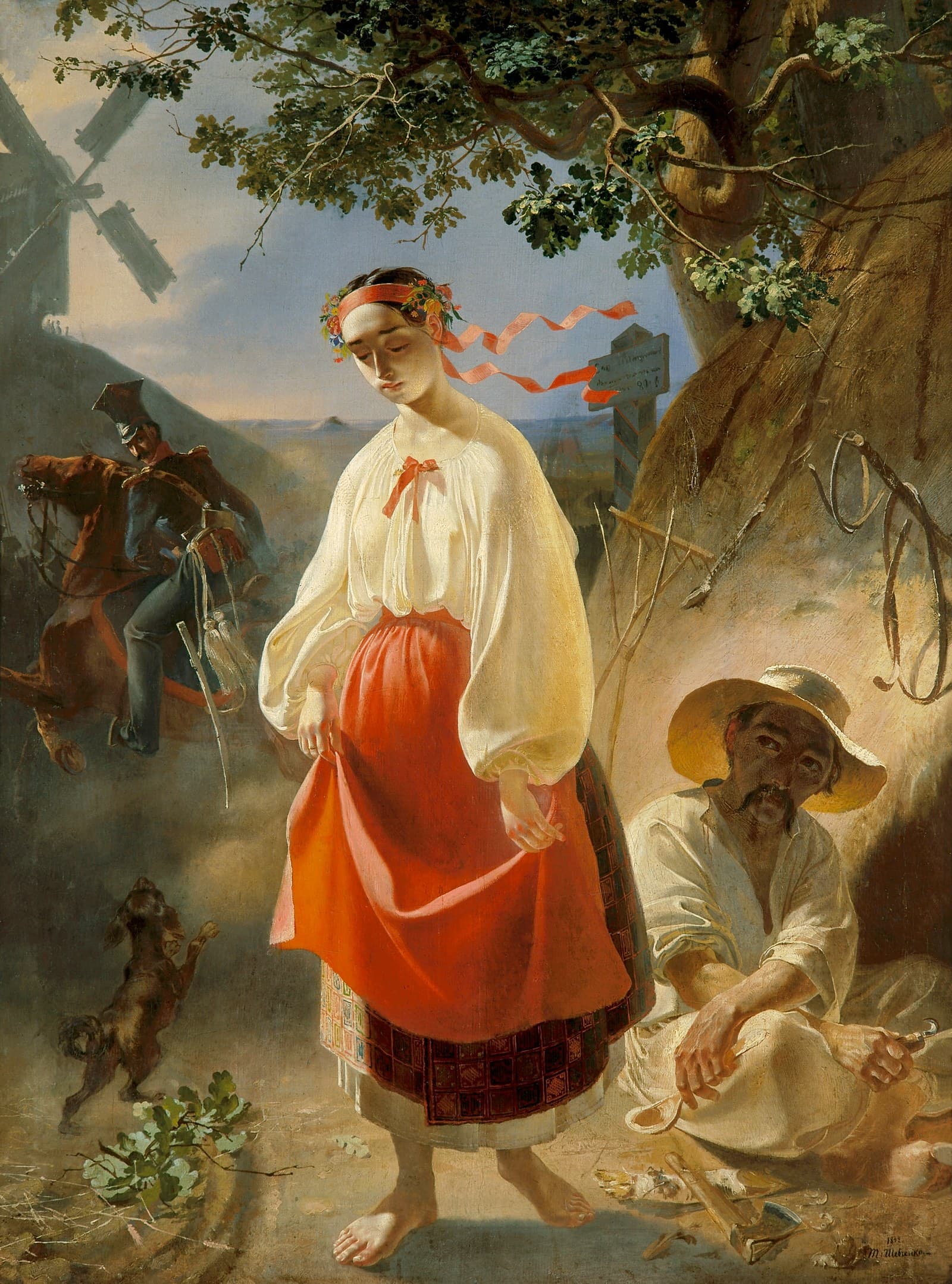
Kateryna
Taras Shevchenko
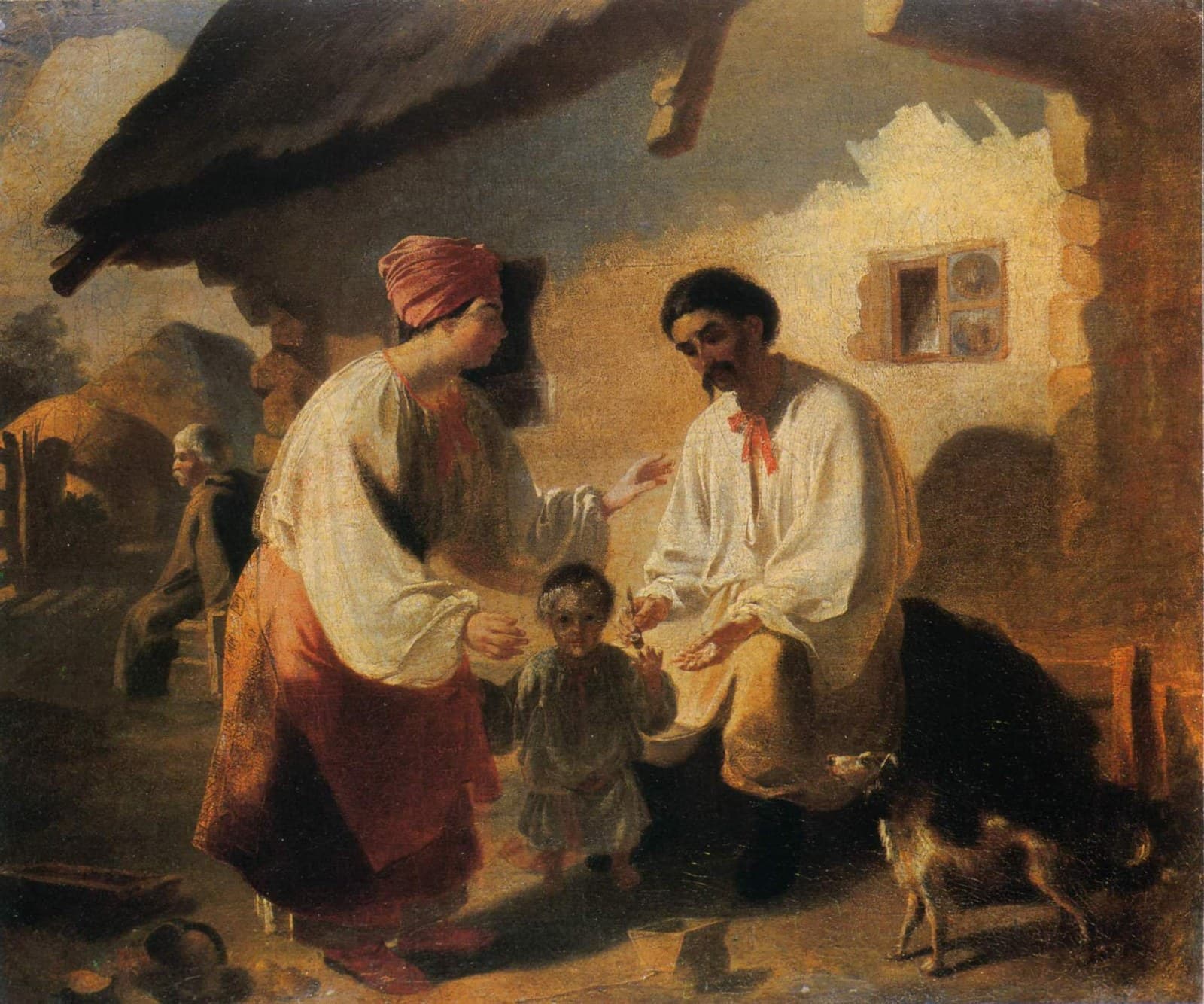
Peasant Family
Taras Shevchenko
A warm group portrait of a Ukrainian peasant family by their cottage, among Shevchenko's finest genre oils.
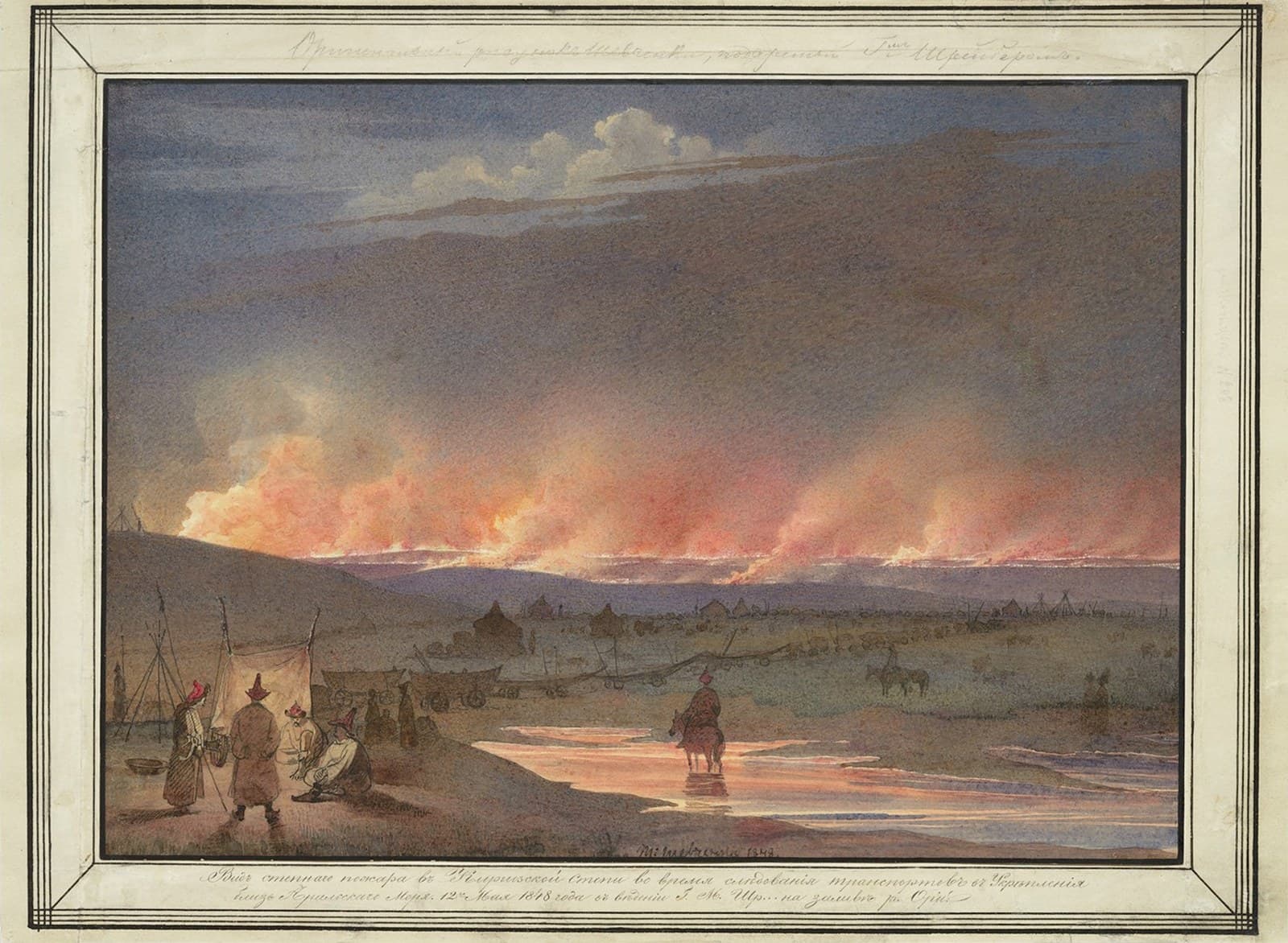
Fire in the Steppe
Taras Shevchenko
A dramatic watercolour of a steppe fire from the 1848 Aral Sea expedition.
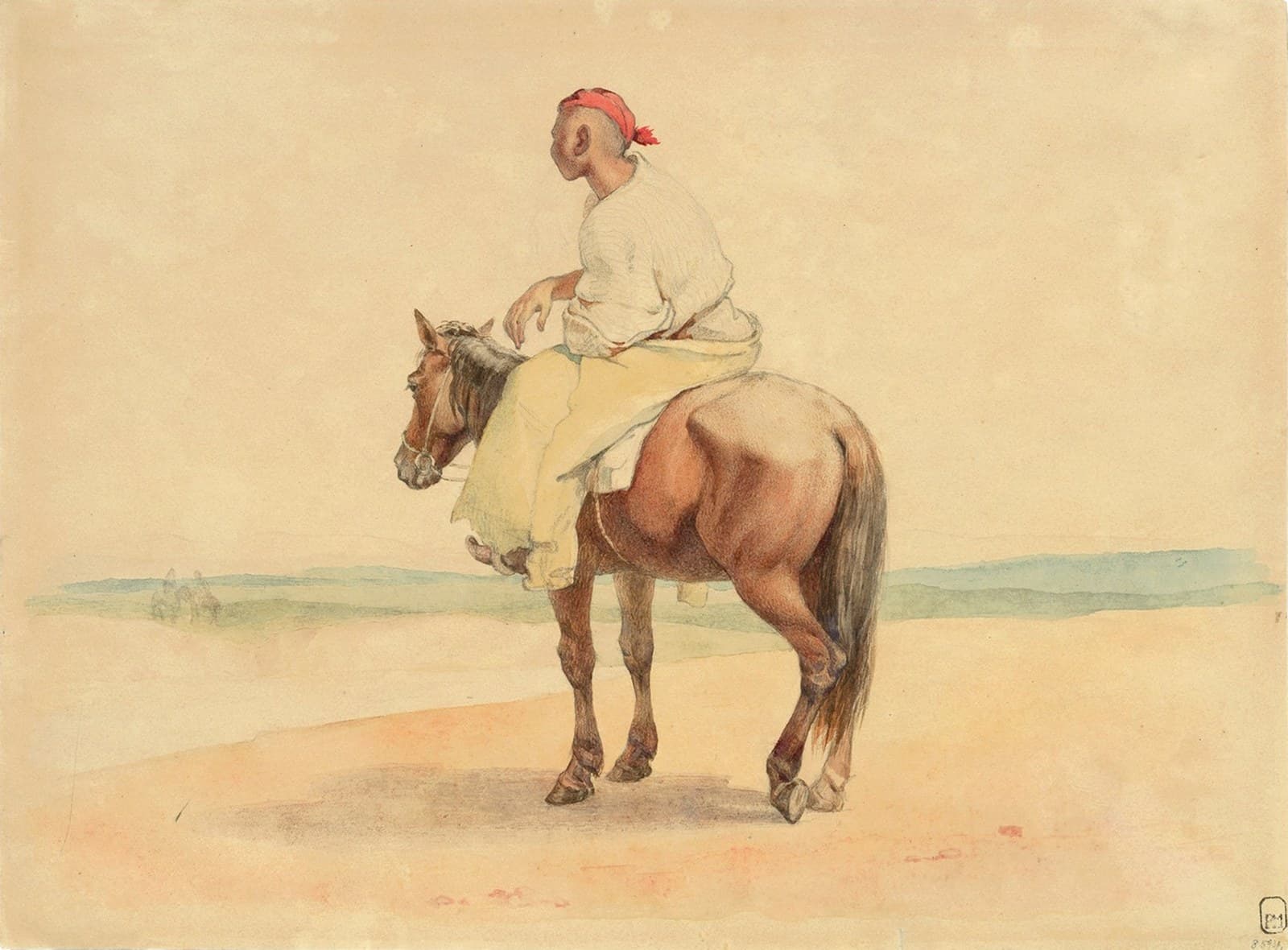
Kazakh on Horseback
Taras Shevchenko
A watercolour from Shevchenko's Aral Sea expedition during his years of exile.
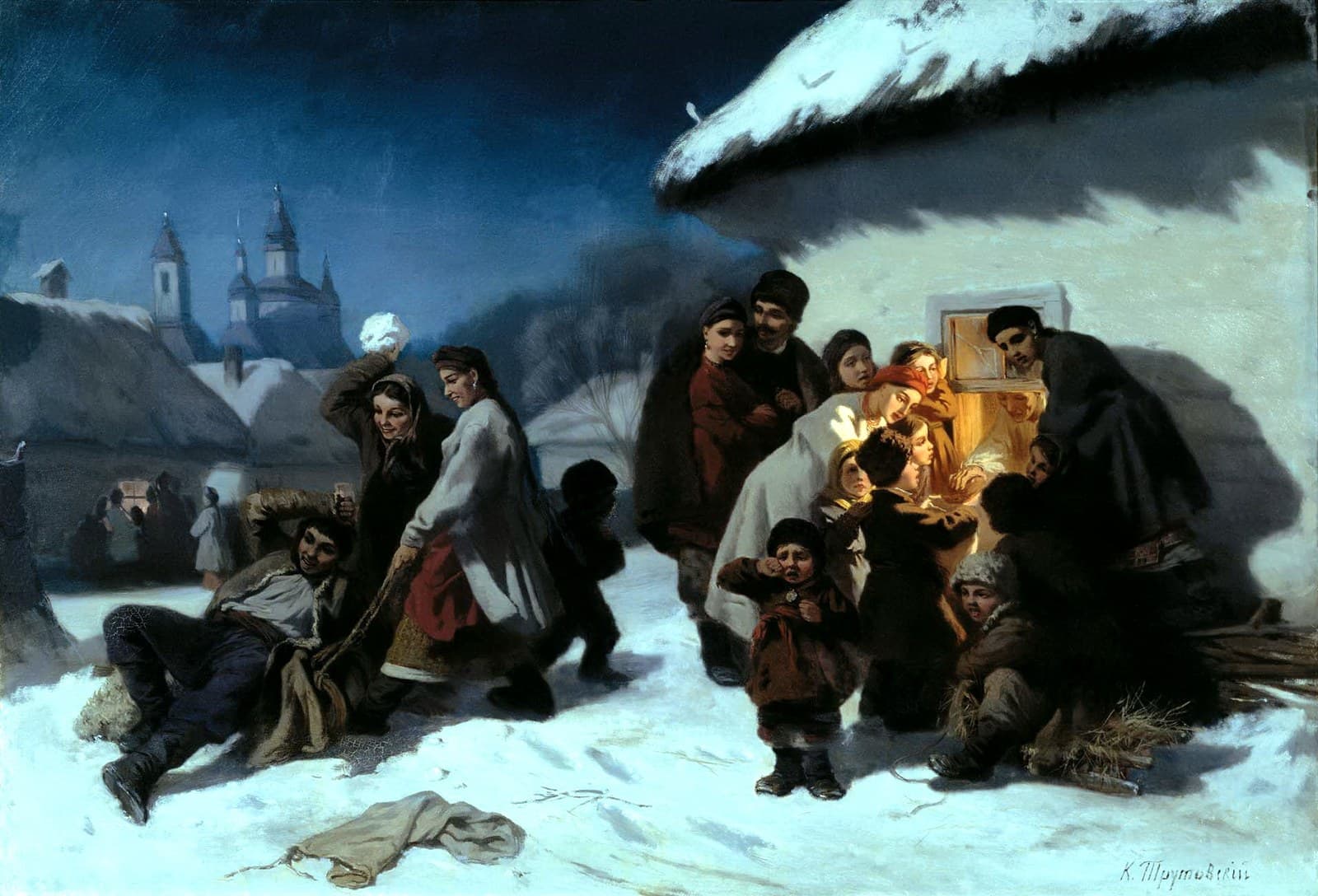
Carolers in Ukraine
Kostiantyn Trutovskyi
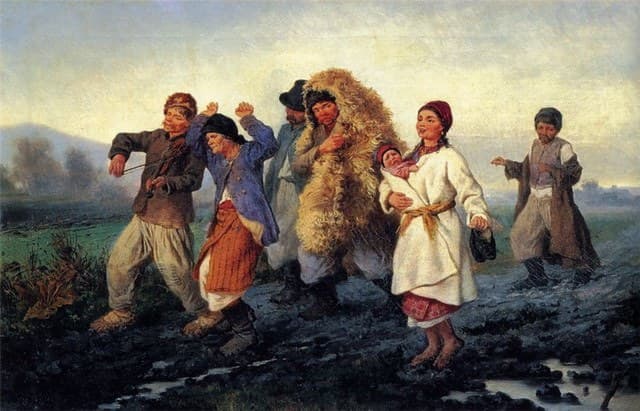
Return from the Fair in Rural Ukraine
Kostiantyn Trutovskyi
A cart of villagers coming home from a country fair, the standard occasion of Ukrainian genre painting handled without either satire or idyll. The picture became one of Trutovskyi's most reproduced compositions through the illustrated press.
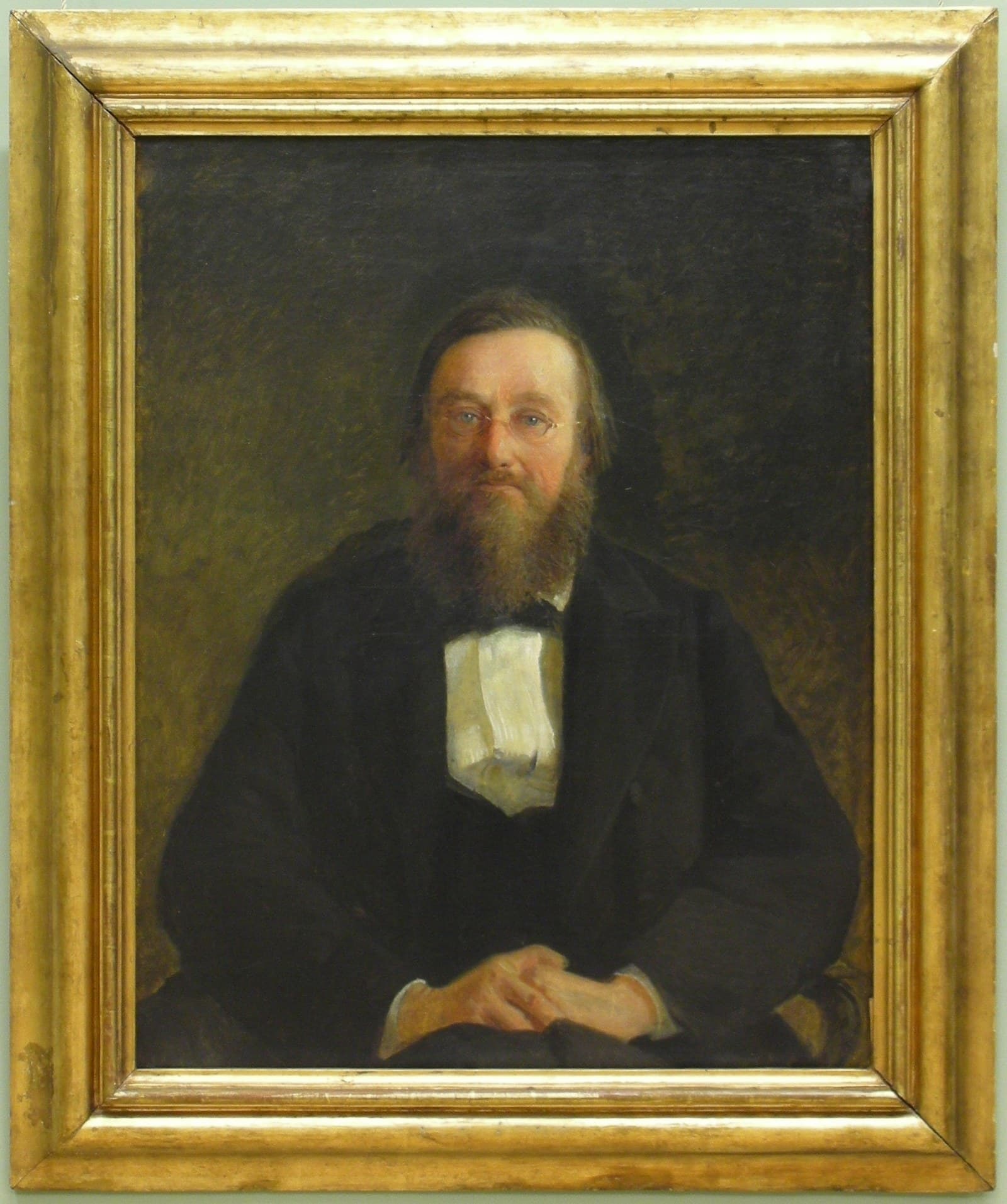
Portrait of the Historian Mykola Kostomarov
Mykola Ge
Ge's portrait of Mykola Kostomarov, the Ukrainian historian and Cyril and Methodius Brotherhood member who had taught him at the First Kyiv Gymnasium. Critics have long counted it, with the Saltykov-Shchedrin portrait, among his most intellectually charged likenesses.
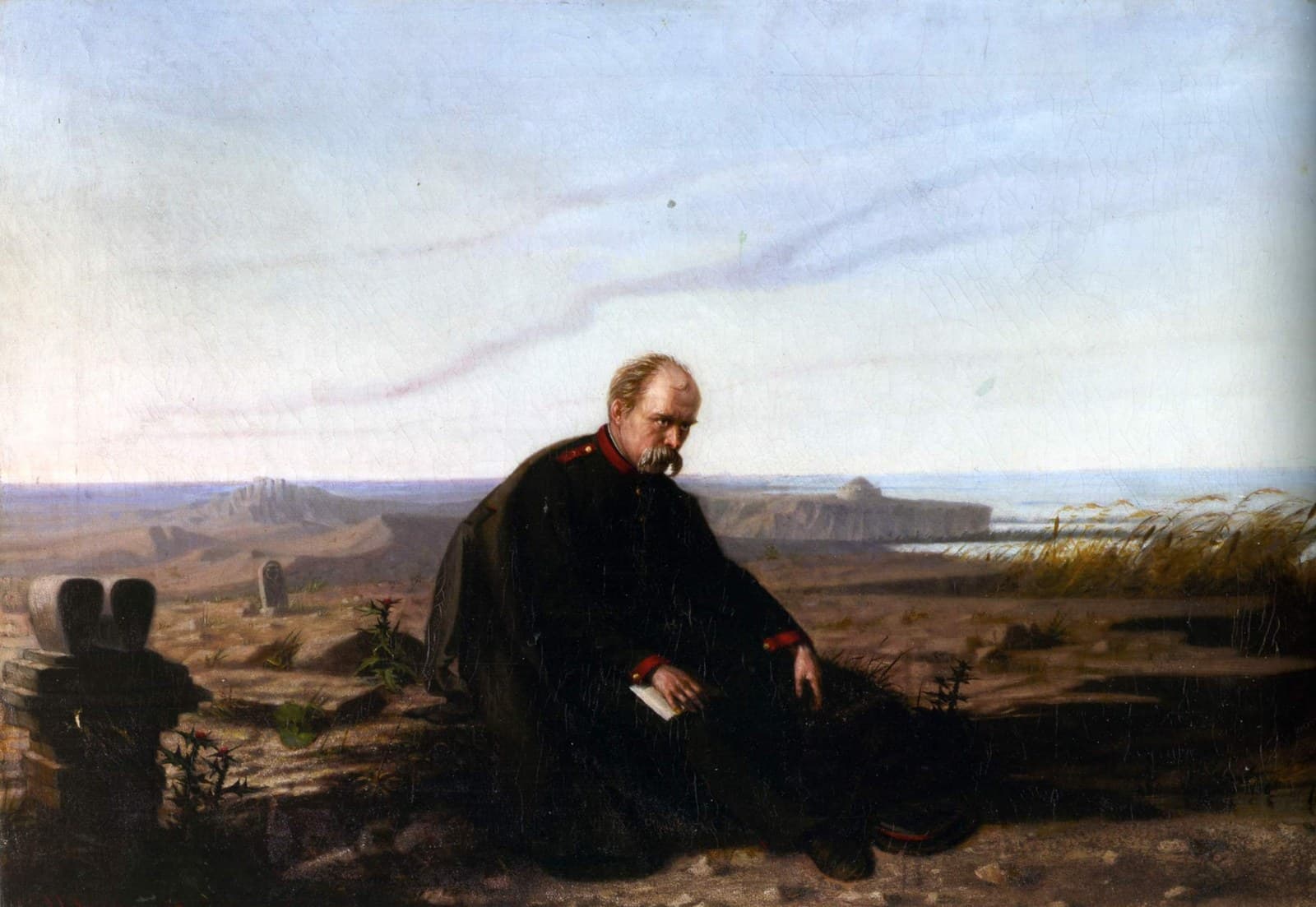
Shevchenko in Exile
Kornylo Ustyianovych
A portrait of Taras Shevchenko during his forced exile, one of the artist's most reproduced works.
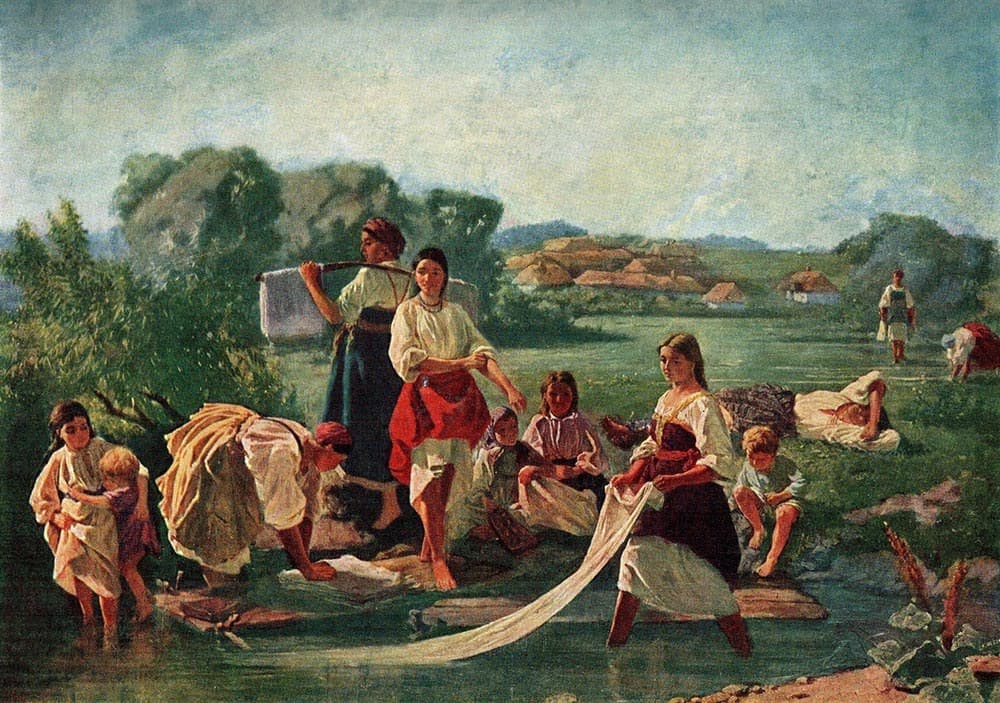
Bleaching Linen
Kostiantyn Trutovskyi
A pastoral Ukrainian genre scene of peasant women bleaching woven linen.
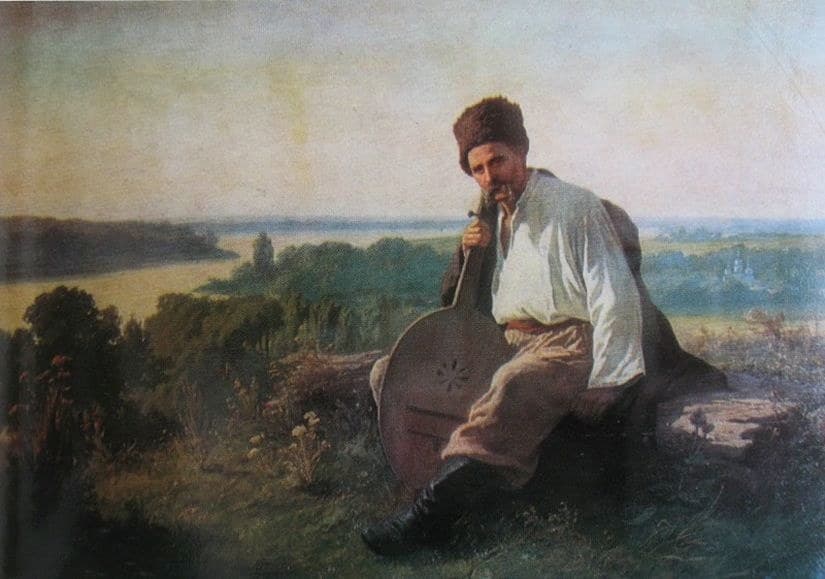
Shevchenko with a Kobza over the Dnieper
Kostiantyn Trutovskyi
A romantic depiction of Taras Shevchenko as a kobzar seated above the Dnipro river.